Both shores of the Mediterranean on one table
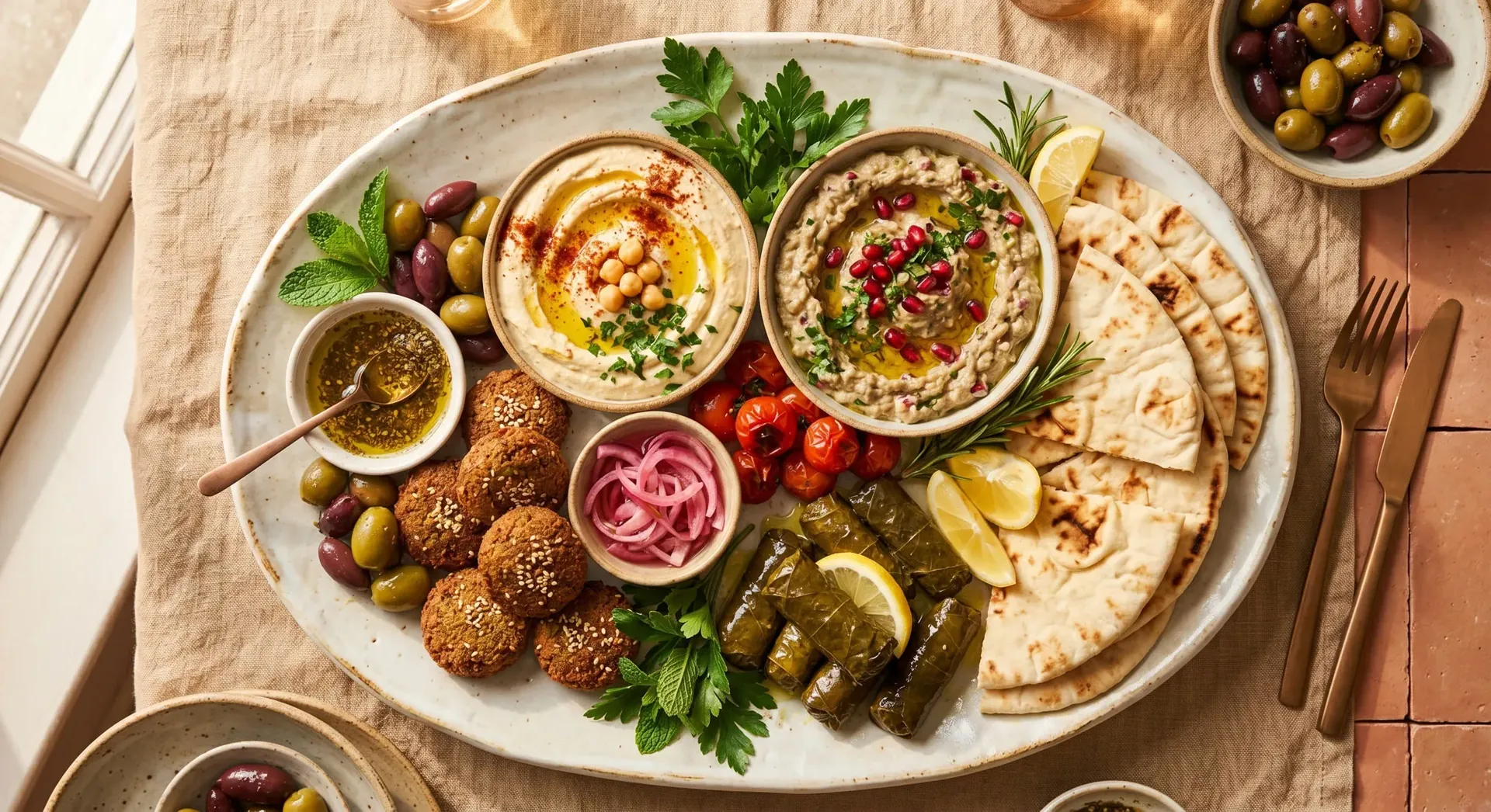
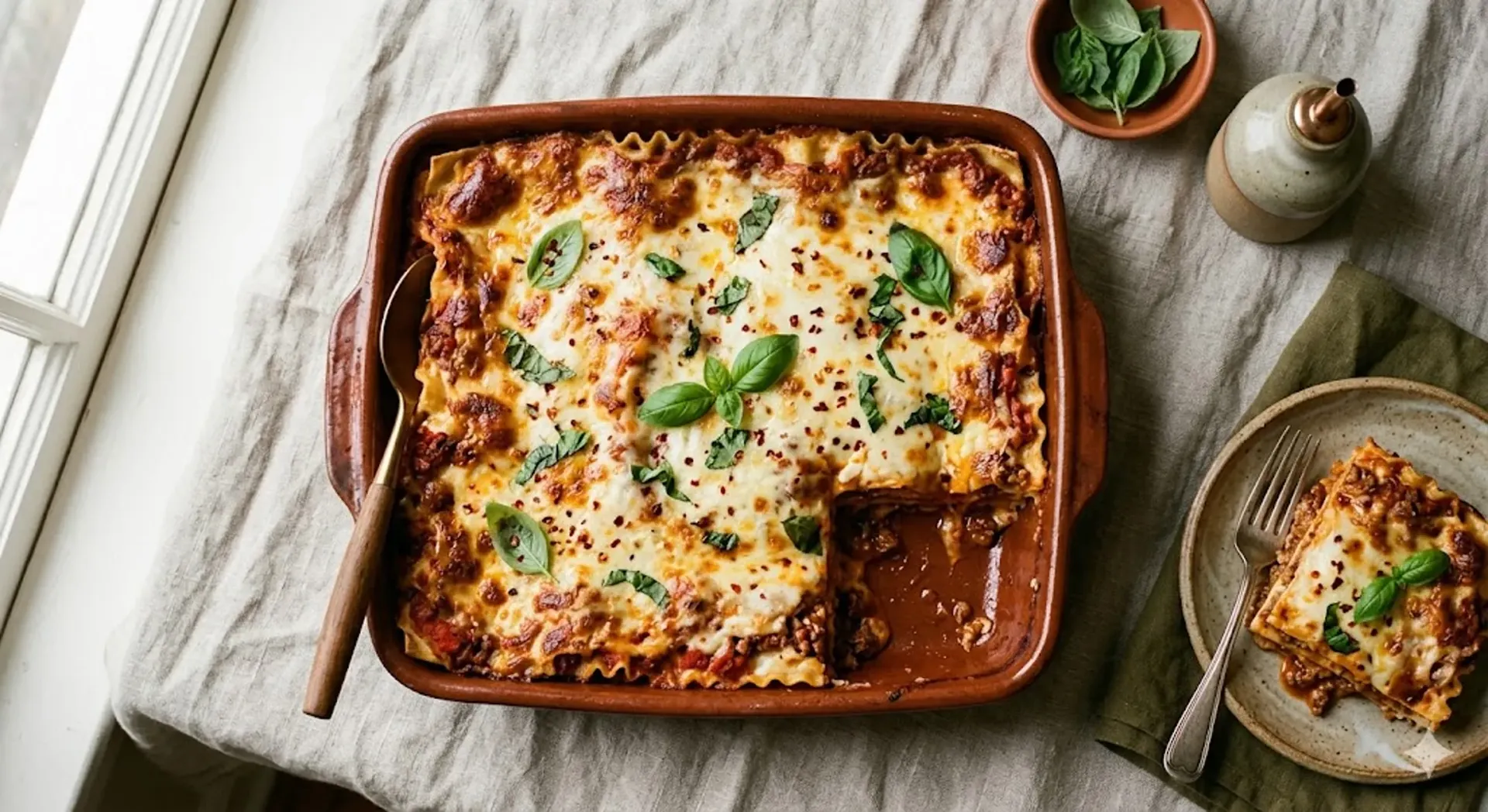
Sultan's Grill is our blended menu, and at a wedding it exists for a specific situation: the couple whose families sit on opposite sides of the same sea. Lasagna and chicken parmesan next to mixed grill, mezze and shawarma wraps, with baklava and tiramisu on the same dessert table.
That is not a compromise menu. Italy and the Levant share more than either tradition usually admits — grilled meat, olive oil, bread, long lunches — and a table set with both reads as coherent rather than as two caterers who happened to arrive on the same day.
Everything is zabiha-sourced across both halves, which is what makes serving them together possible in the first place.
- Mixed grill, beef and chicken shawarma wraps, falafel wrap, mezze
- Lasagna, chicken parmesan, penne alfredo, spaghetti bolognese
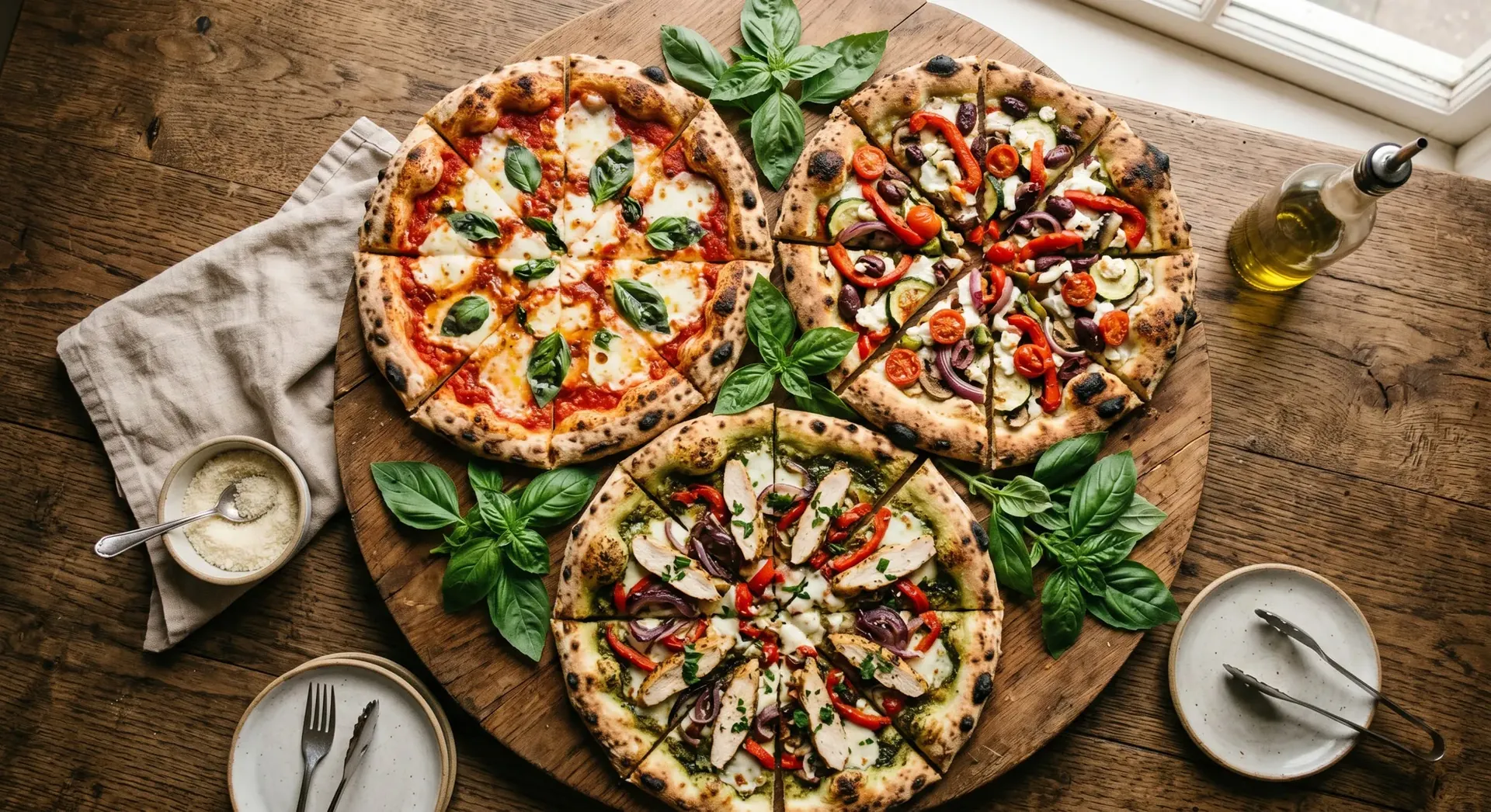
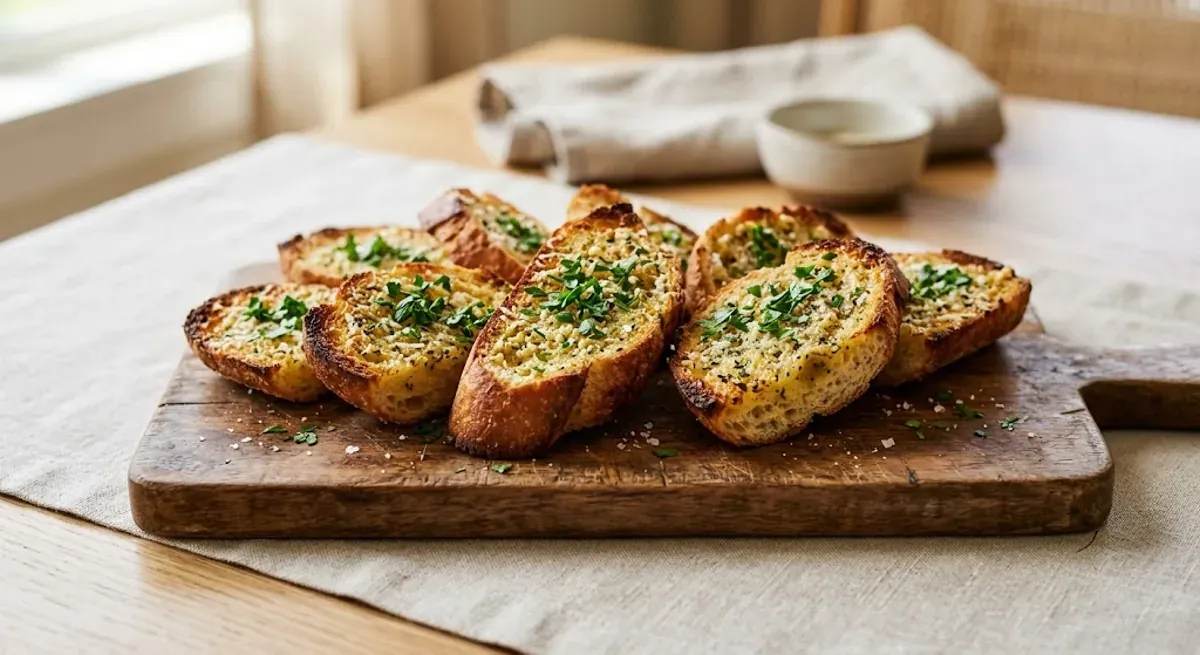
- Classic and premium pizza — the dish that feeds everyone's children
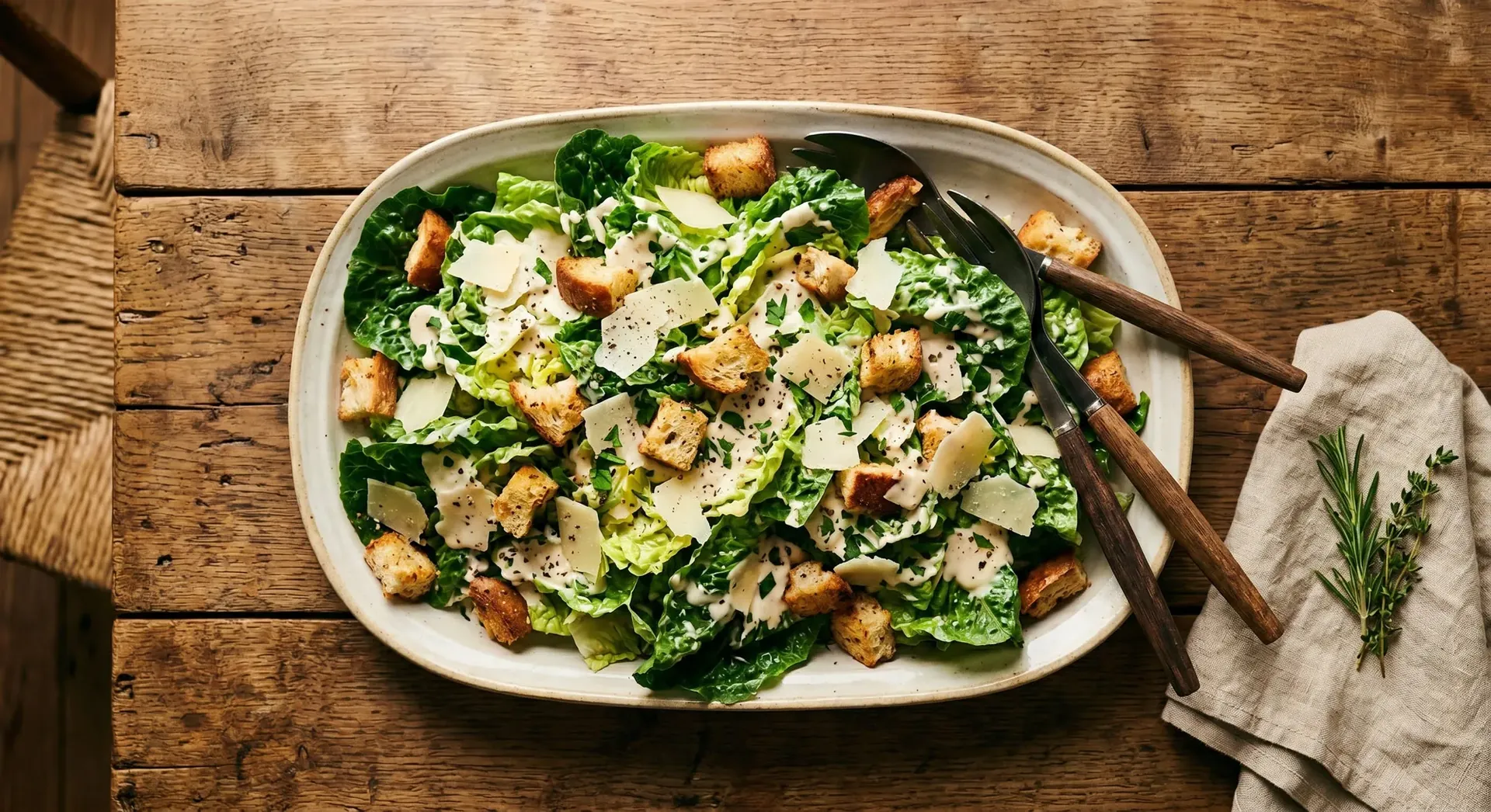
- Greek salad, caprese, antipasto, Caesar, steamed vegetable salad
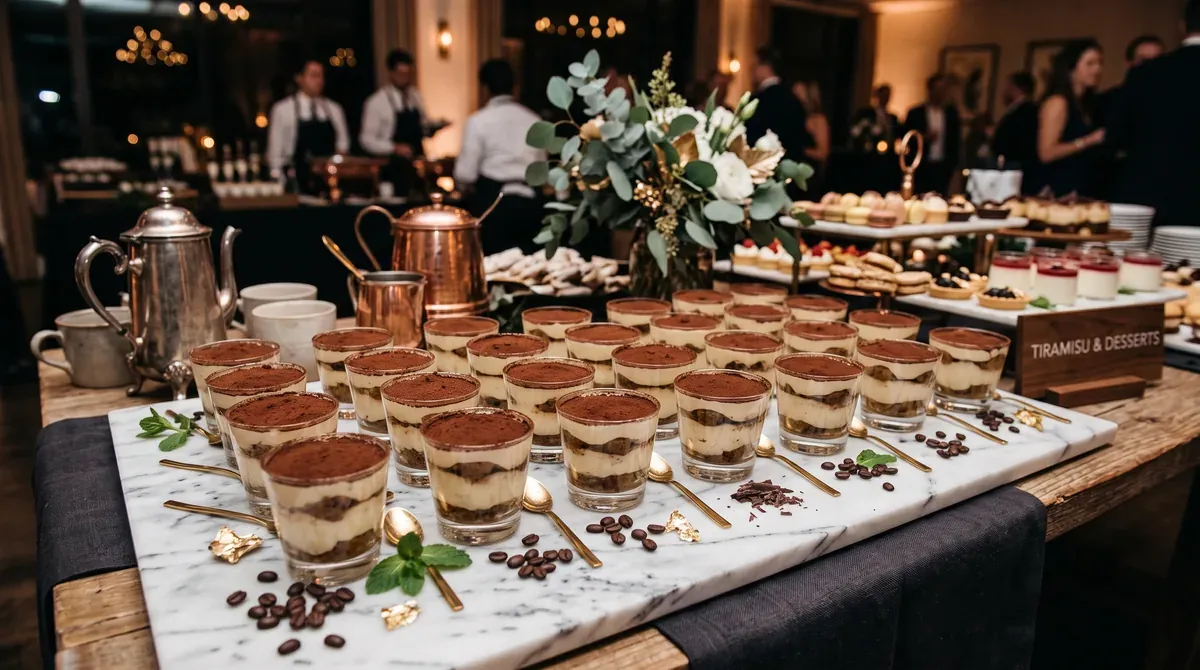
- Premium kunafa, baklava, tiramisu and cannoli on one dessert table
The dessert table is where the point lands
Kunafa and baklava beside tiramisu and cannoli is the moment guests understand what the menu is doing, and it is the part couples tell us afterwards their families talked about.
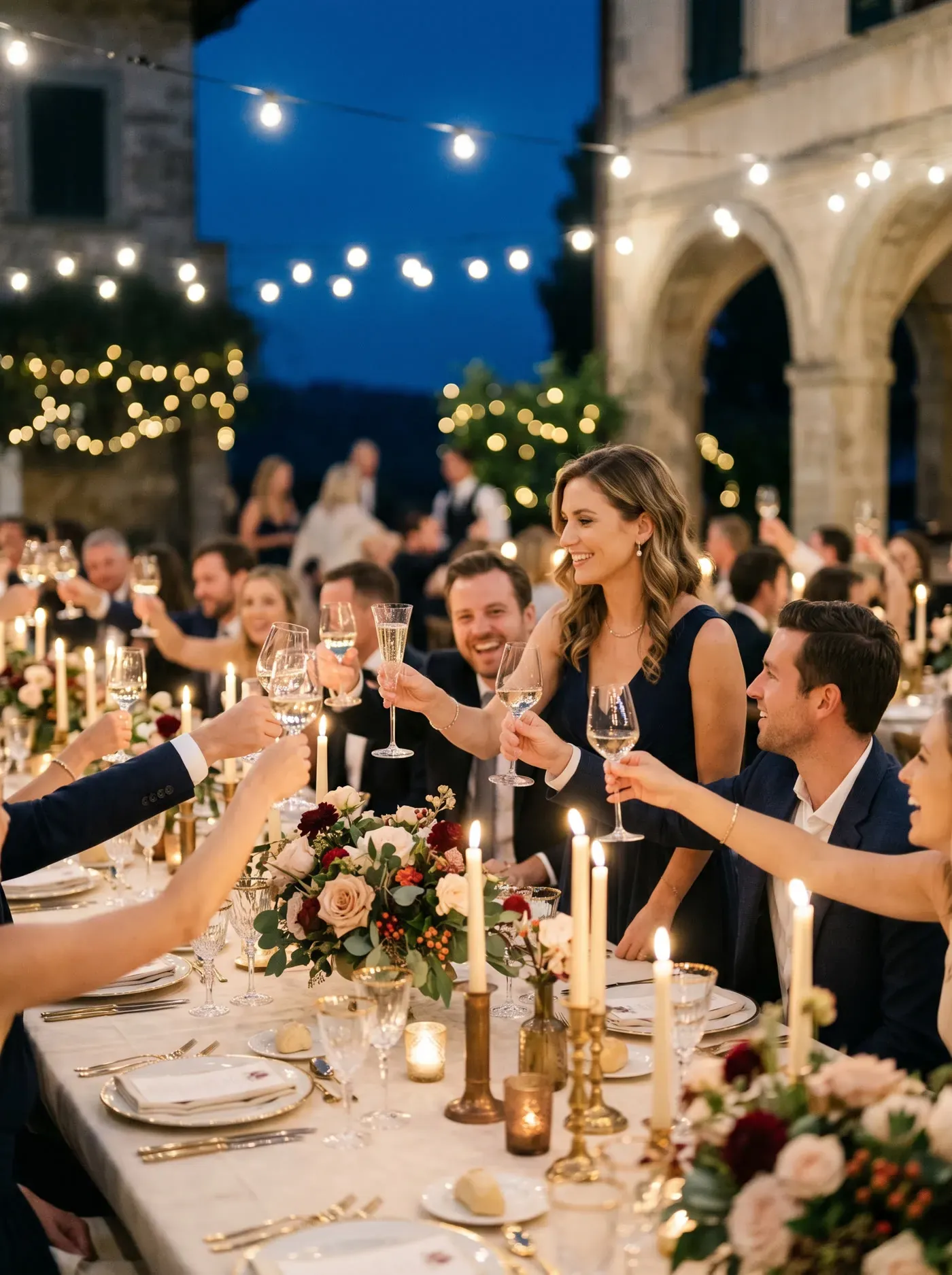
It also solves a real wedding problem cheaply. A dessert table of small things serves a room of three hundred faster than a plated dessert, costs less, and gives people a reason to get up and move between the tables — which is what you actually want after the speeches.
Two halves, one team, one service
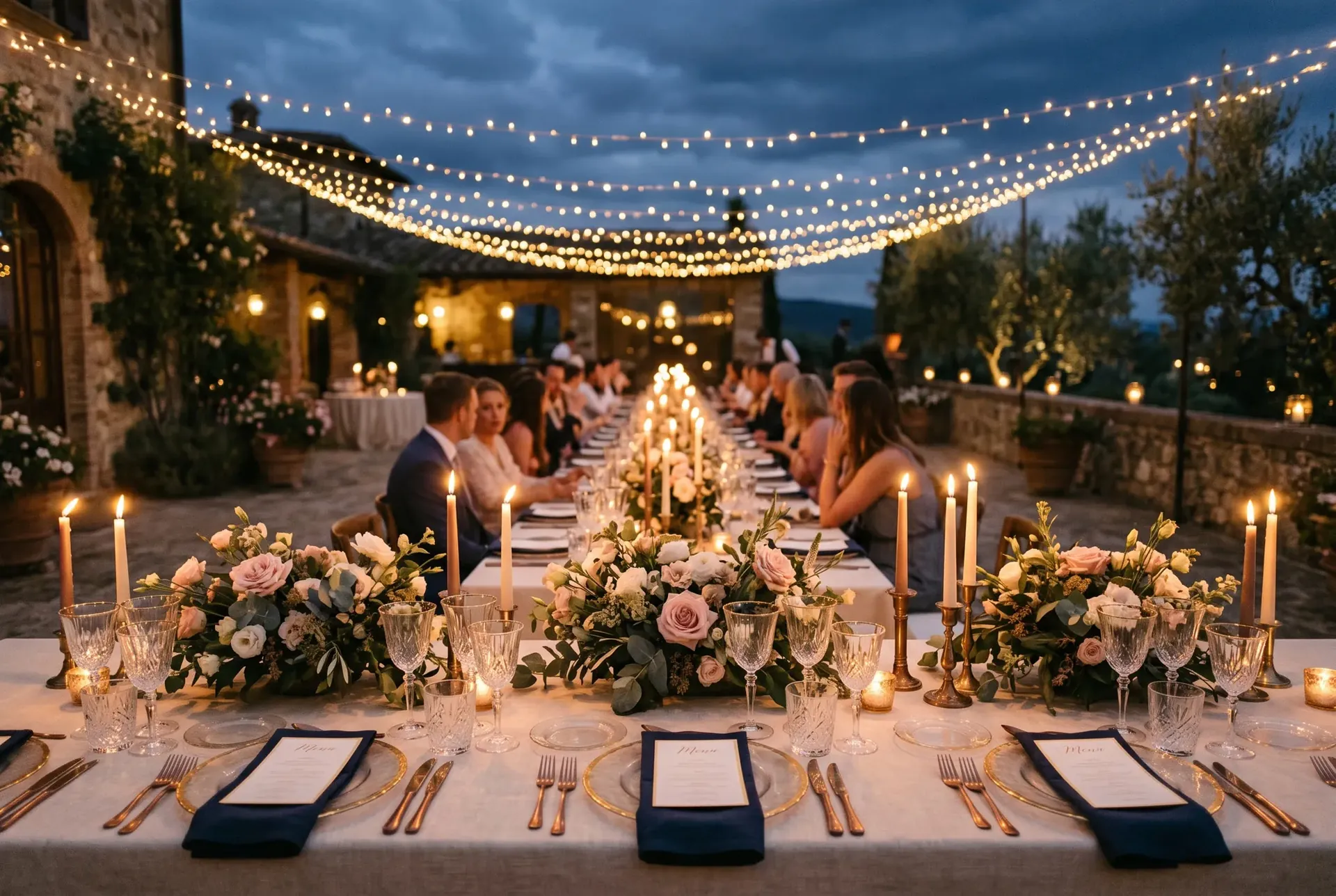
The practical advantage over hiring two caterers is that it is one crew, one delivery, one setup and one contact on the day. Weddings that try to run two cuisines through two vendors usually discover the cost of that in the last week rather than the first.
We build the two halves to the same service style and the same timing, so the room is served once rather than twice.