Scale, and vegetarian food that is not an afterthought
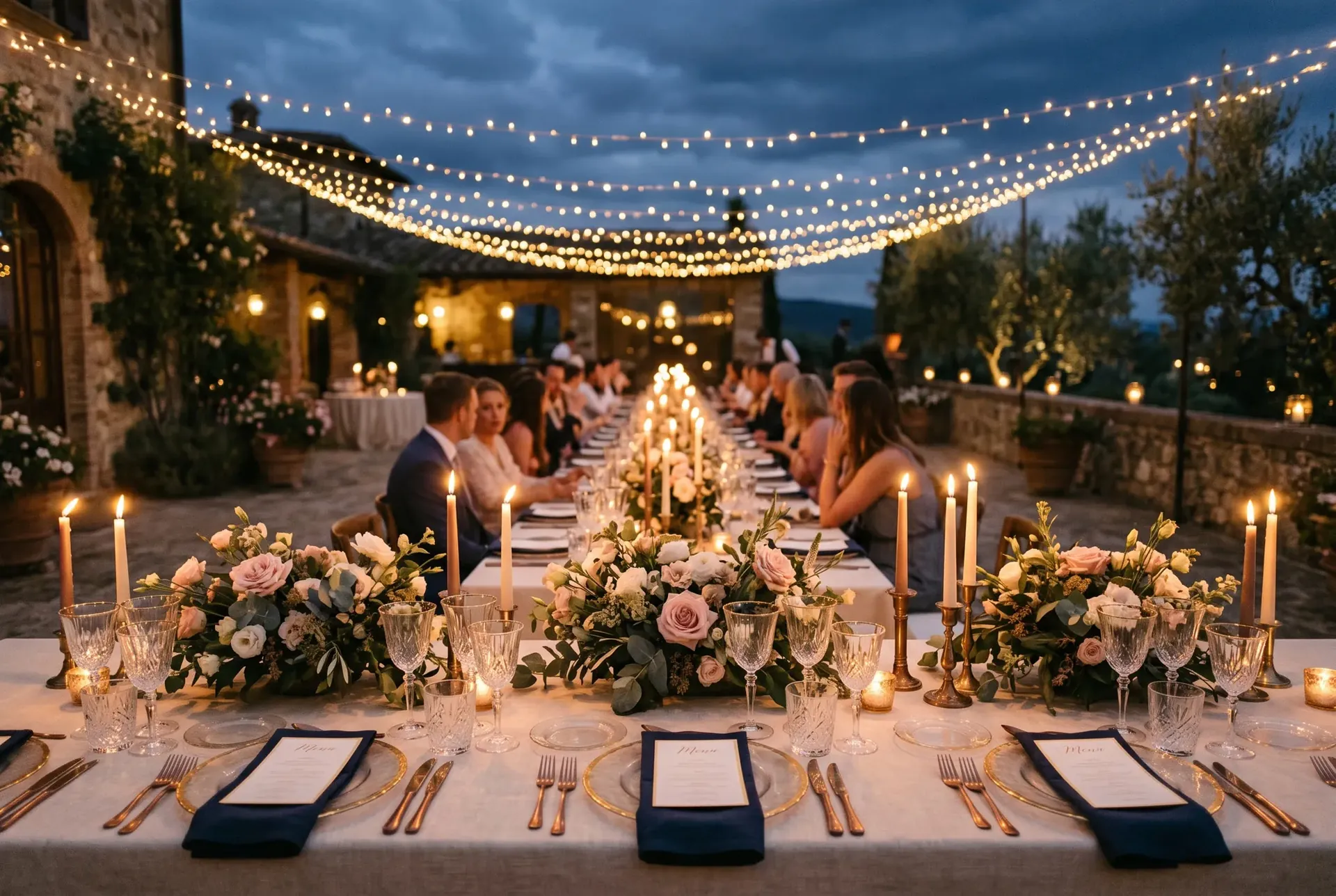
Indian weddings tend to be larger than other weddings and to run across more than one event, and Indian food is one of very few cuisines built to be cooked well at that scale. A Hyderabadi biryani for three hundred is a normal thing to ask for; a plated main for three hundred is a logistics problem.
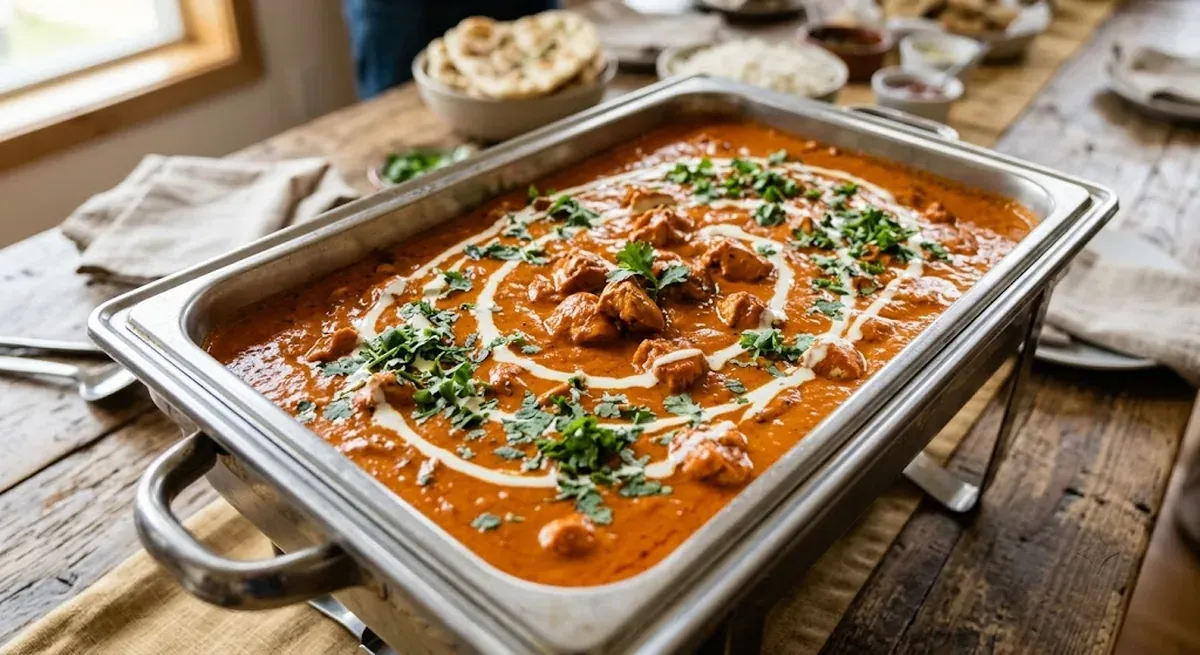
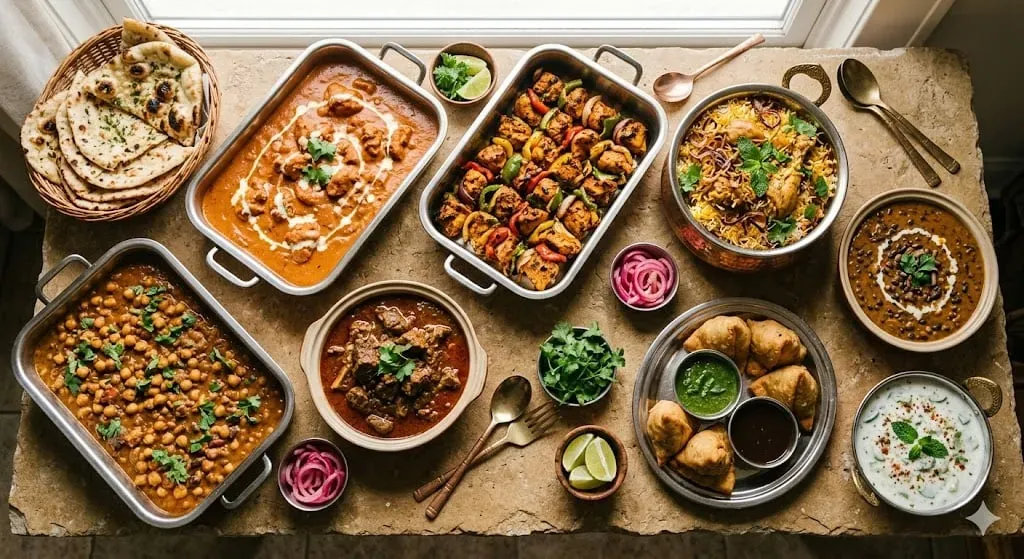
The more important point is the vegetarian side. Chana masala, dal makhani, paneer tikka masala and vegetable pakora are not the accommodation track — they are dishes people choose over the meat, which means a vegetarian guest at the table is eating the same meal as everyone else rather than a version of it.
Butter chicken, chicken tikka, tandoori chicken and lamb rogan josh are all zabiha-sourced.
- Hyderabadi biryani as the centre of the table
- Butter chicken, chicken tikka, tandoori chicken, lamb rogan josh
- Chana masala, dal makhani, paneer tikka masala — chosen, not conceded
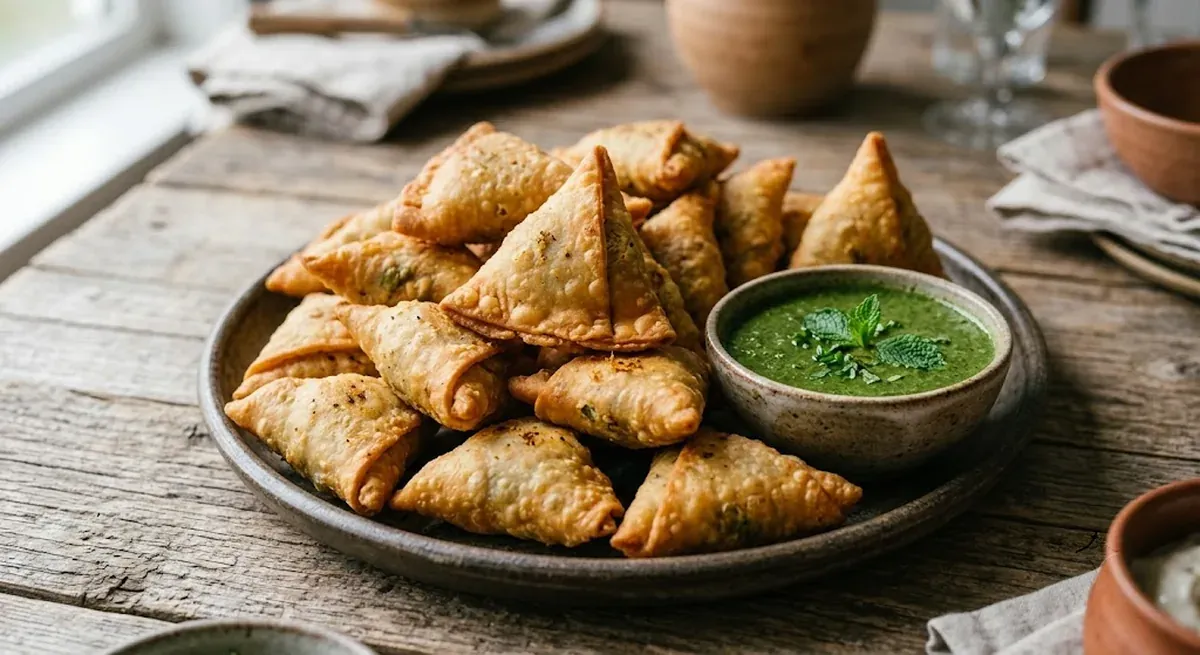
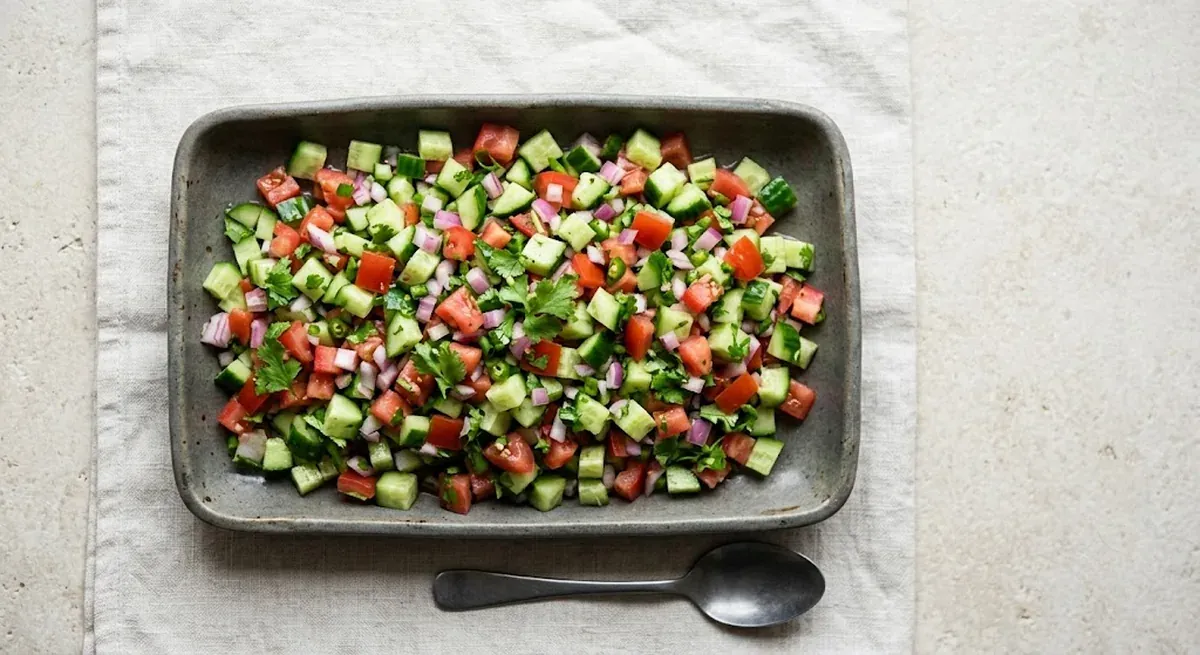
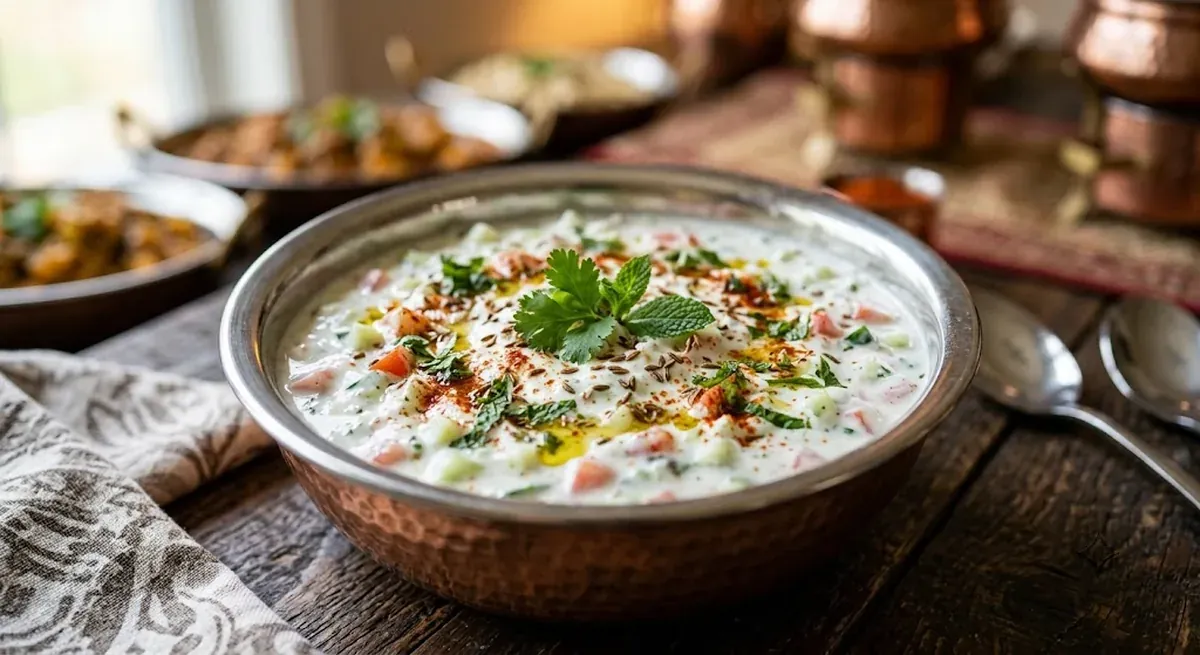
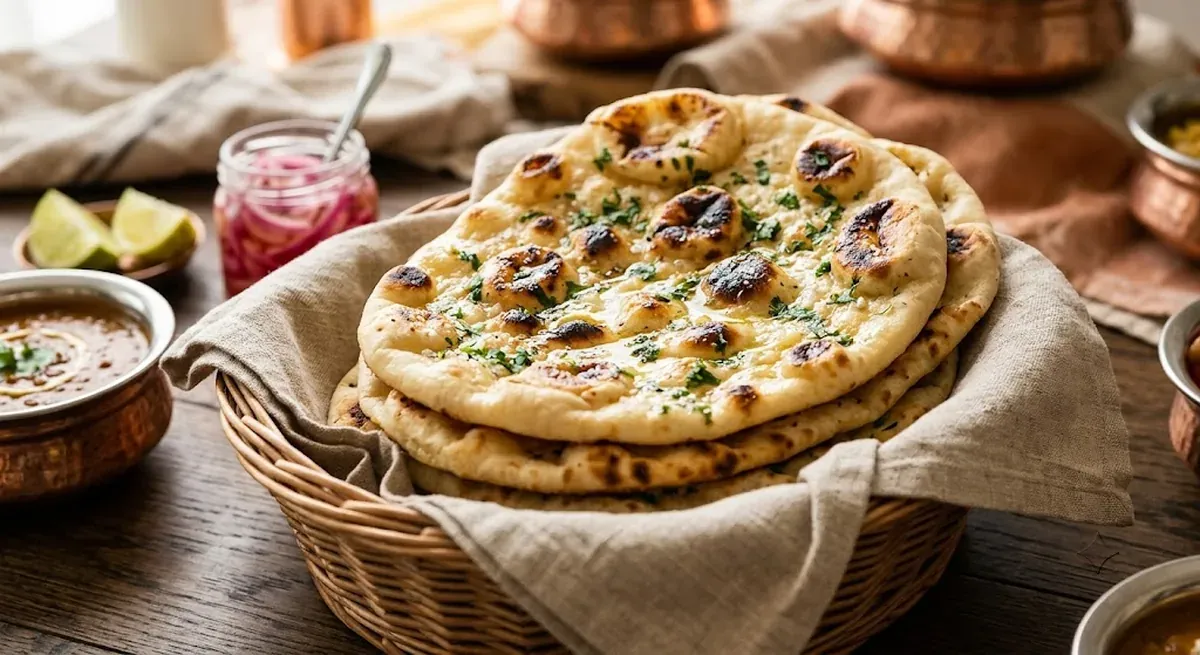
- Naan, basmati rice, raita, kachumber salad, samosa and vegetable pakora
Heat is a dial, and weddings need it low
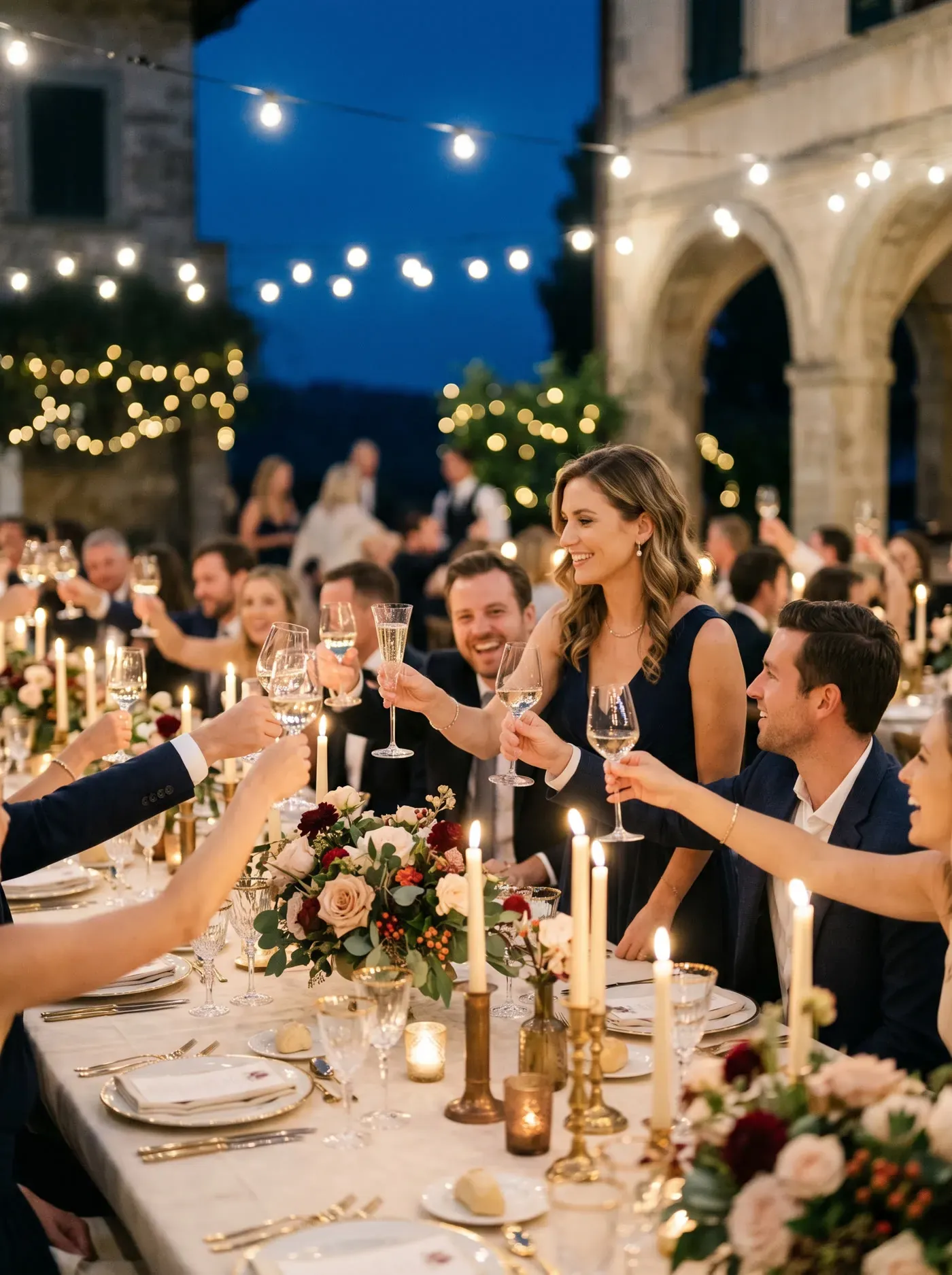
A wedding room contains grandparents, small children and guests who have never eaten the cuisine before. We cook the base dishes to a moderate heat and bring the heat separately, rather than committing the whole service to one level and hoping.
It sounds minor. It is the single most common reason a guest at an Indian wedding eats rice and naan and nothing else, and it is entirely avoidable.
More than one meal
If the wedding runs across several days or several events, tell us at the start rather than booking them separately. One team planning the mehndi, the ceremony and the reception can vary the menu deliberately across them, so guests attending all three are not served the same biryani three times.
That is a planning conversation, not an upsell — it usually reduces the total rather than increasing it, because the prep consolidates.