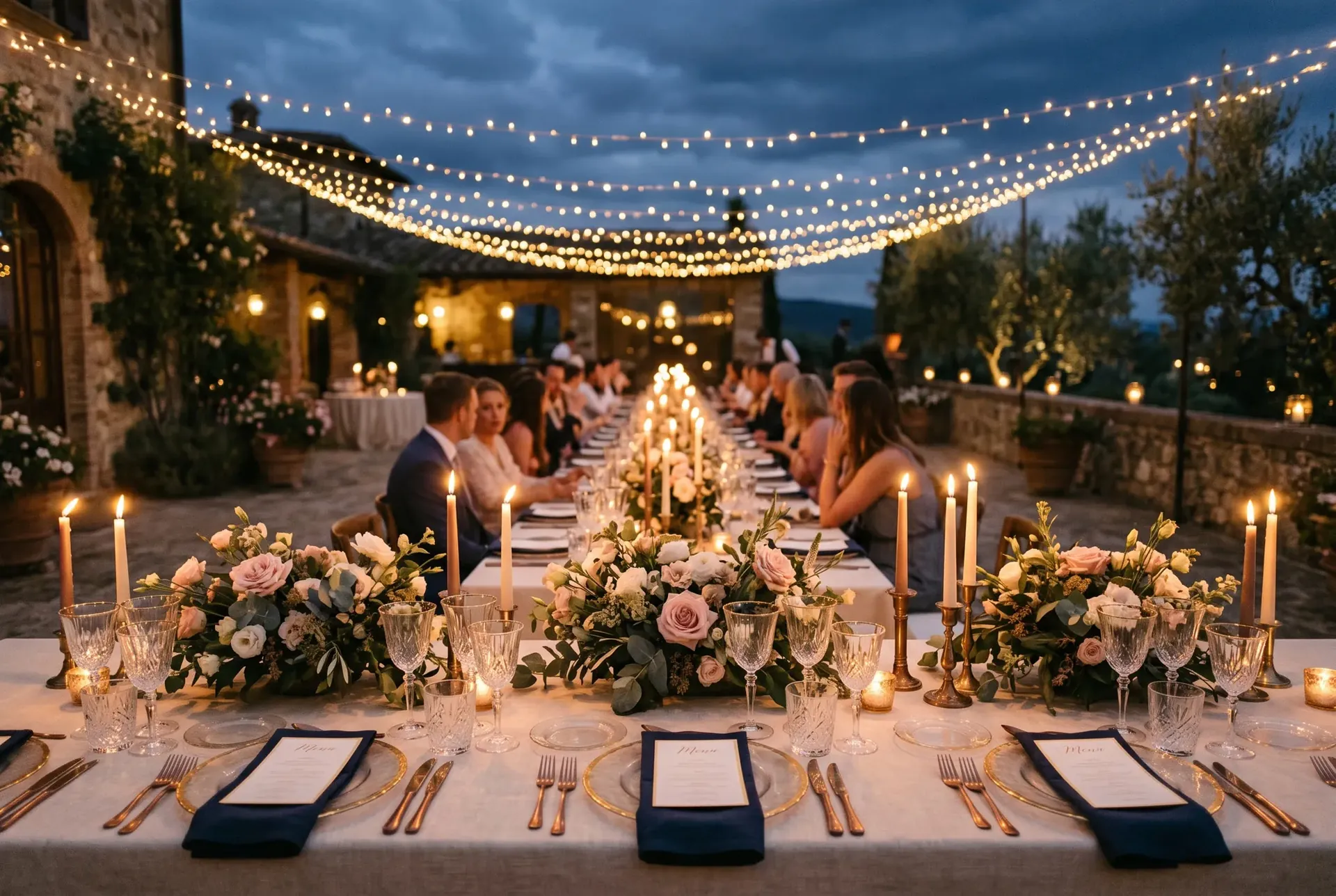
Built for the long cocktail hour weddings actually have
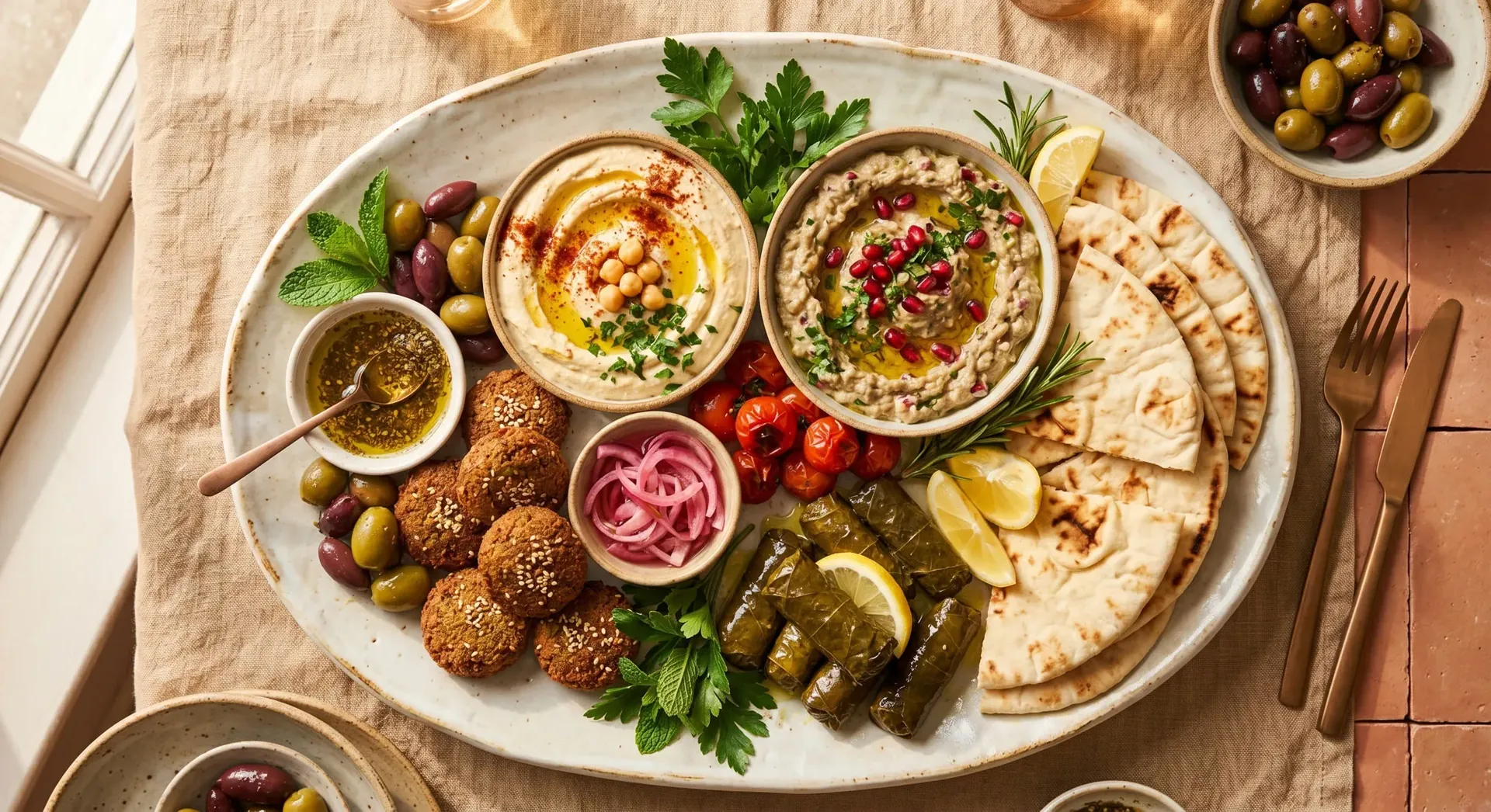
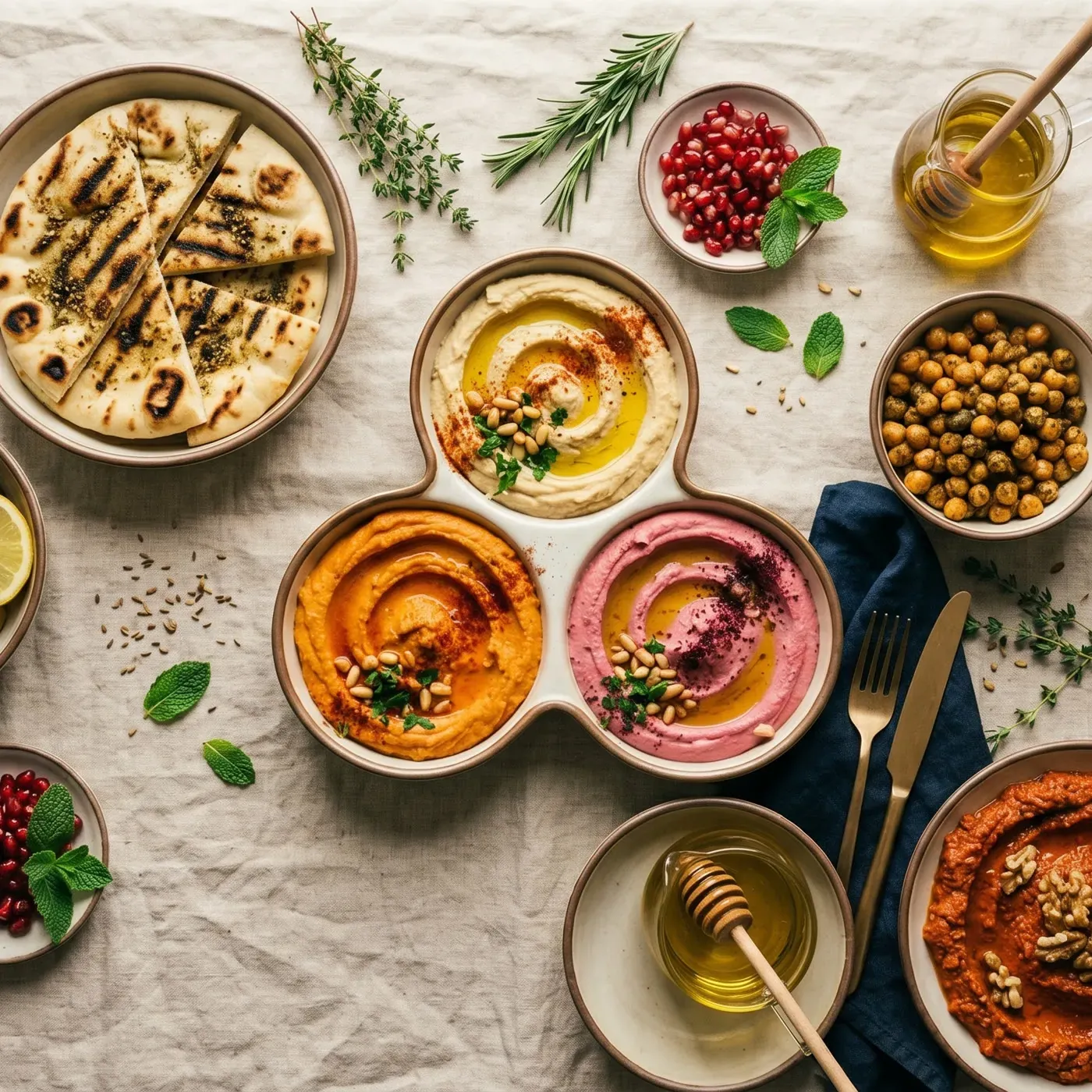
The gap between the ceremony and the meal is the part of a wedding that is hardest to feed and easiest to get wrong. Mediterranean food is structurally suited to it: mezze, halal charcuterie, Greek and Israeli salads, and falafel sit out for an hour and get better for being grazed at rather than served.
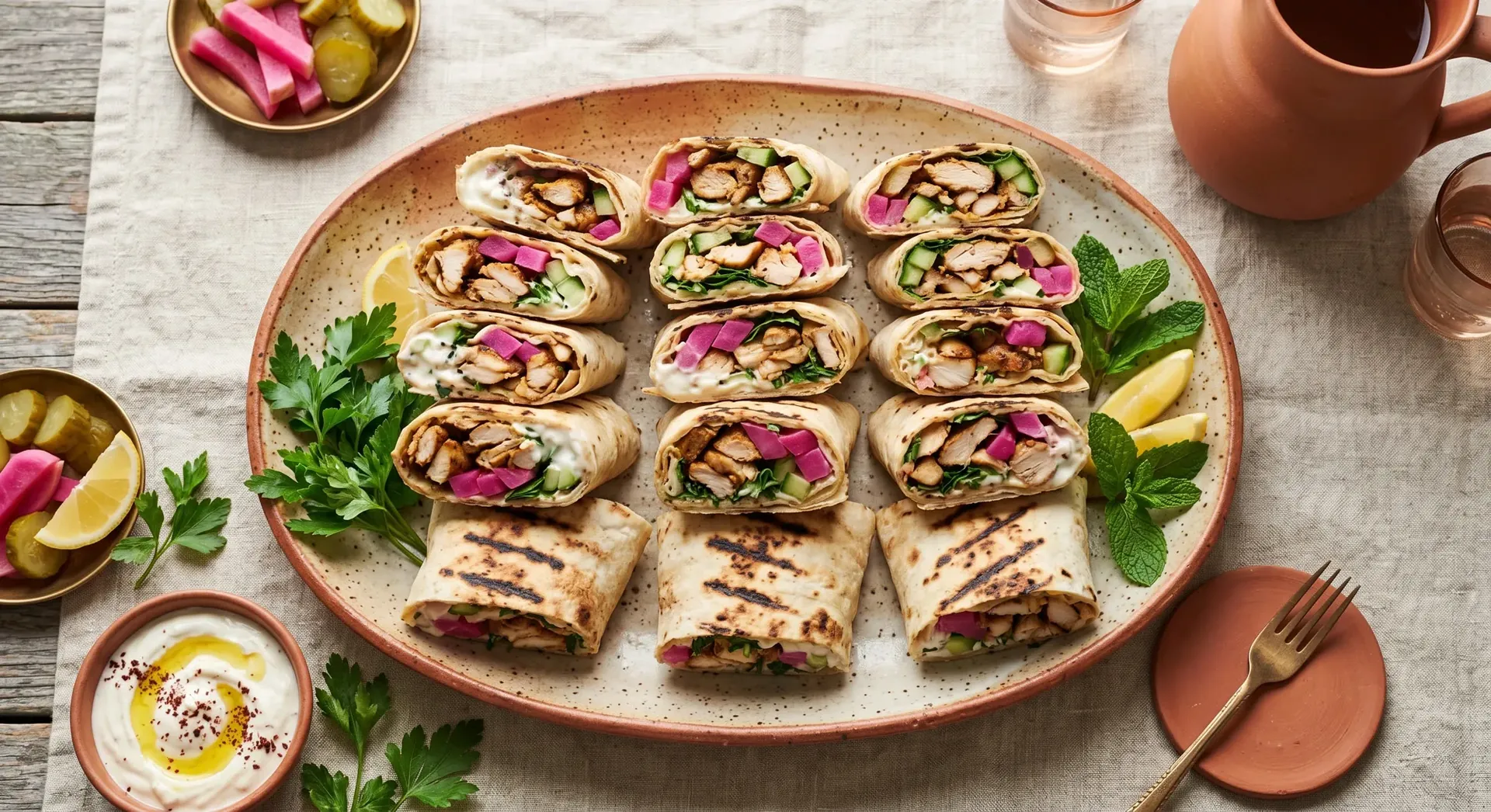
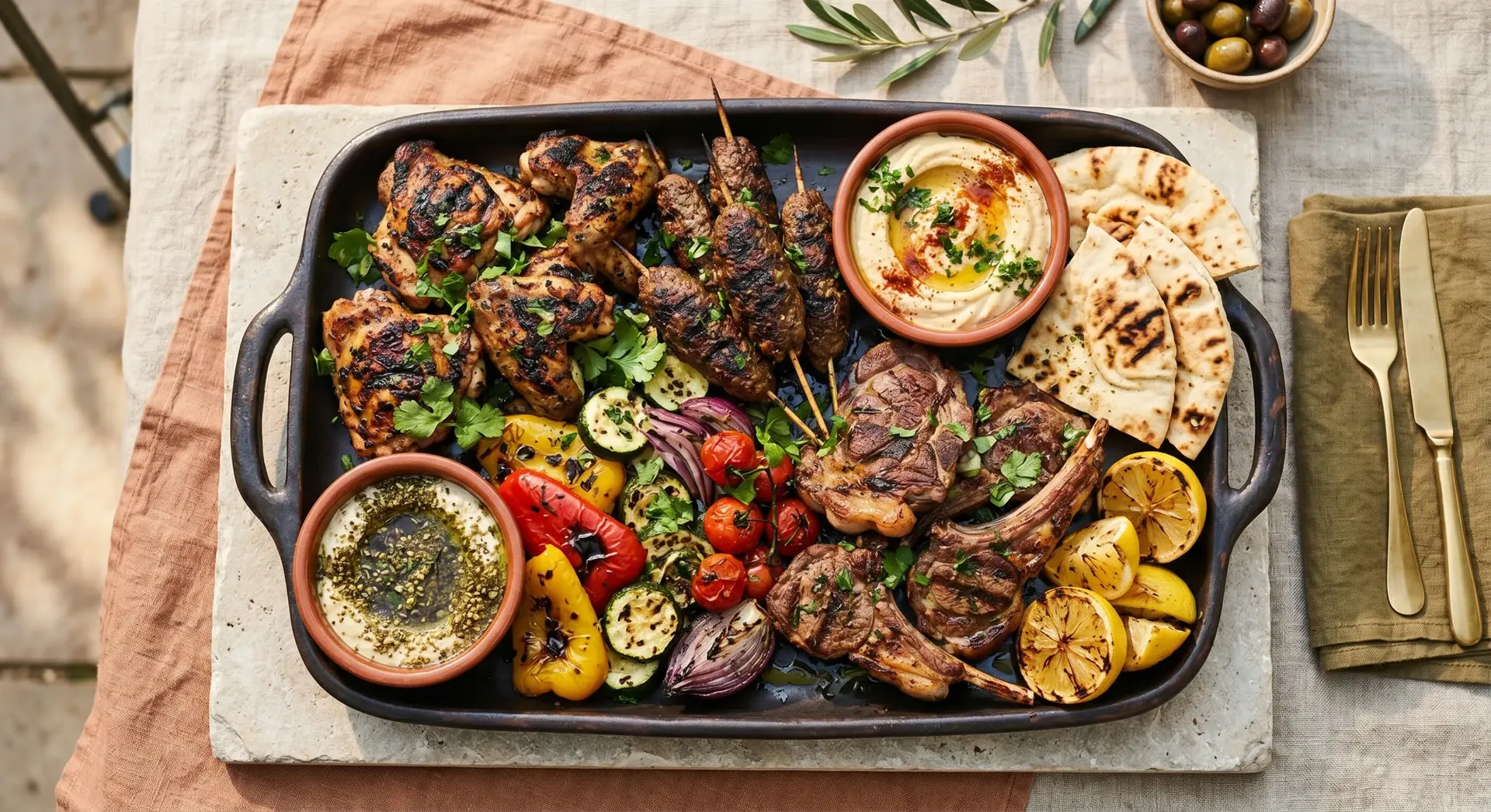
Then the room sits down and the register changes — mixed grill, kofta kebab, beef and chicken shawarma, tajine, royal couscous. One team, two completely different services, which is what a wedding needs and most single-cuisine menus cannot do.
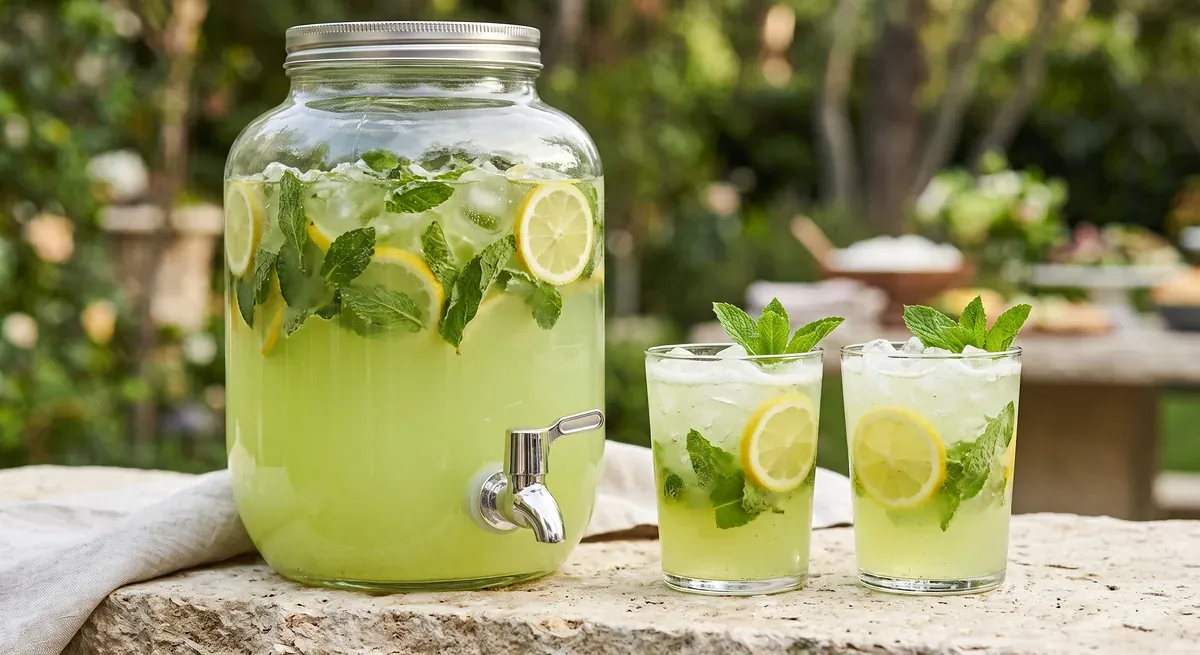
Mint lemonade runs throughout. There is no alcohol on our menus at all, and on a Mediterranean table that reads as intentional rather than as an absence.
- Mezze, halal charcuterie, Greek and Israeli salads for the standing hour
- Mixed grill, kofta kebab, beef and chicken shawarma seated
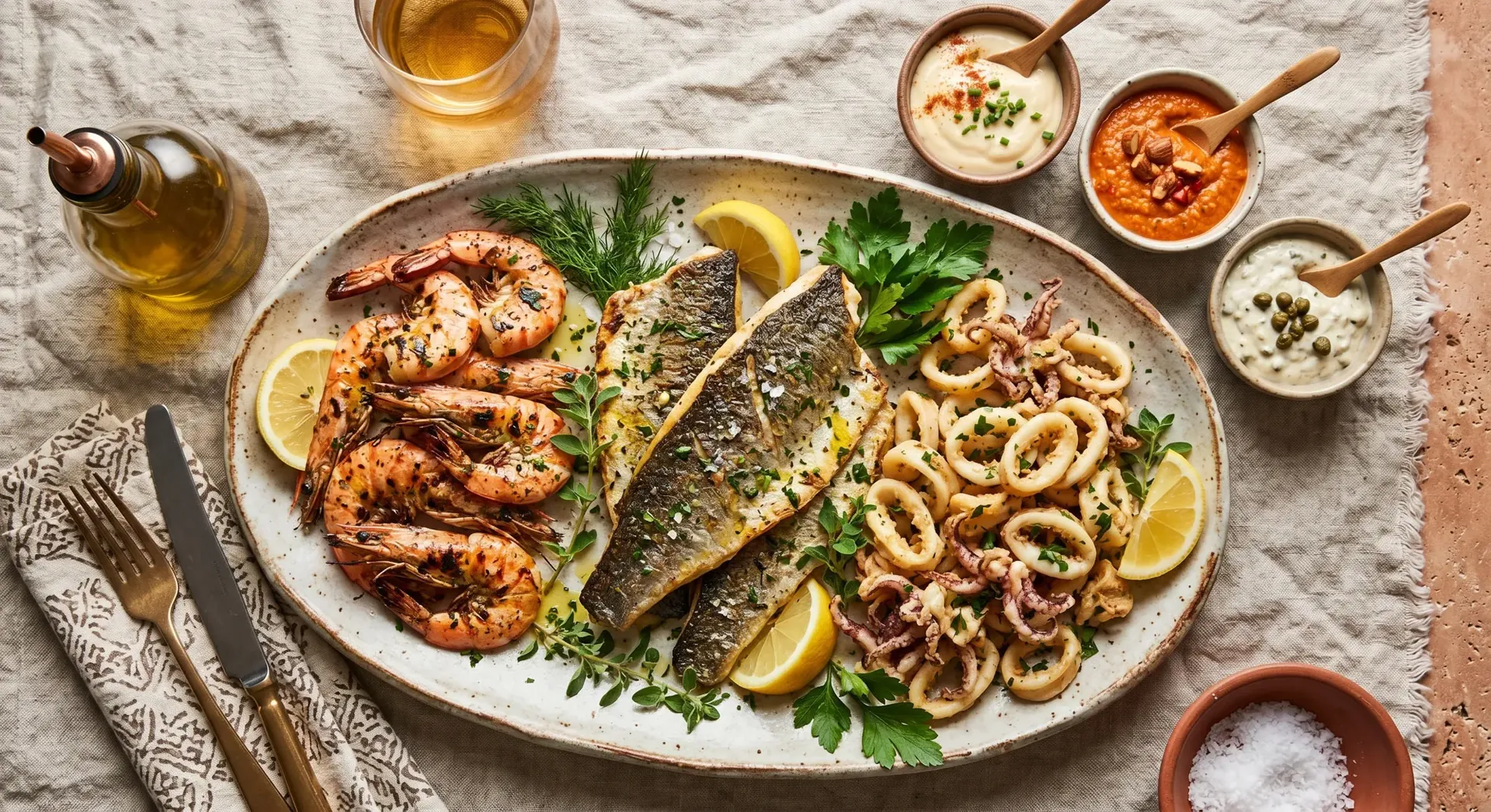
- Chicken and beef tajine, royal couscous, seafood and mixed paella
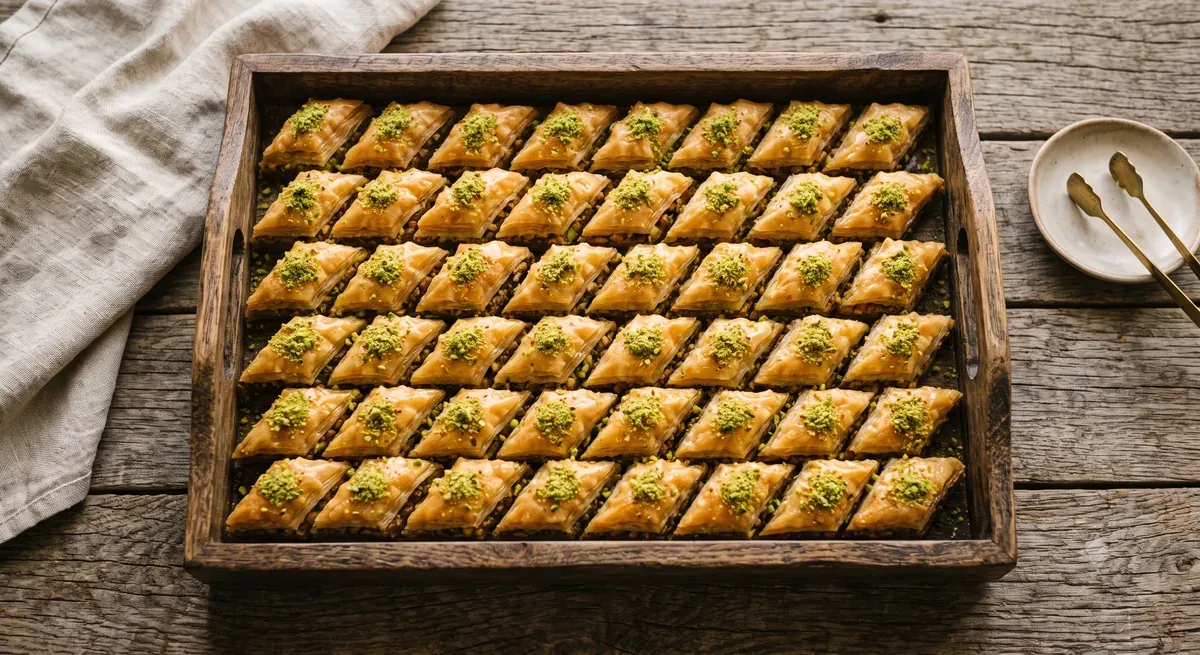
- Premium kunafa and mixed Mediterranean desserts
Paella is a centrepiece with a clock on it
A seafood or mixed paella finished on site is one of the few genuinely theatrical things we do, and it comes with a service window. Rice does not wait: it is at its best for a defined stretch and then it is not.
That makes it wonderful for a wedding with a firm sit-down time and risky for one where the photographs are running long. Where the schedule is uncertain we will suggest the tajines and the grill, which hold, and keep the paella for a moment we can actually predict.
Feeding both sides of a Mediterranean family
Vegan moussaka, falafel, the salads and most of the mezze are not adaptations of the main menu — they are the menu, and always have been. At a wedding where one family eats meat at every meal and the other does not, that matters more than a separate vegetarian tray ever could.
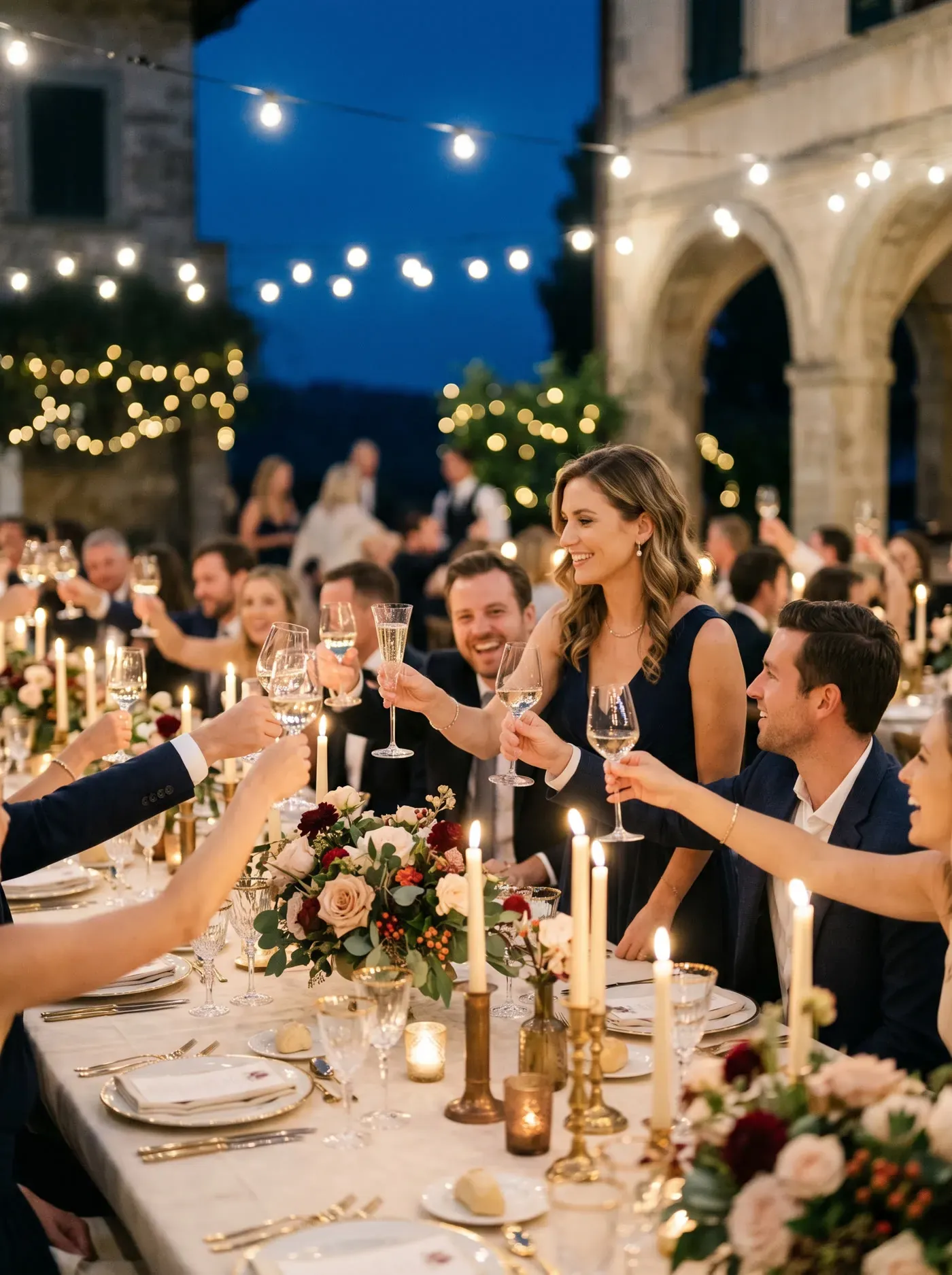
Nobody is handed a special plate. Everyone eats from the same table, which at a wedding is not a catering detail but the entire symbolism of the day.