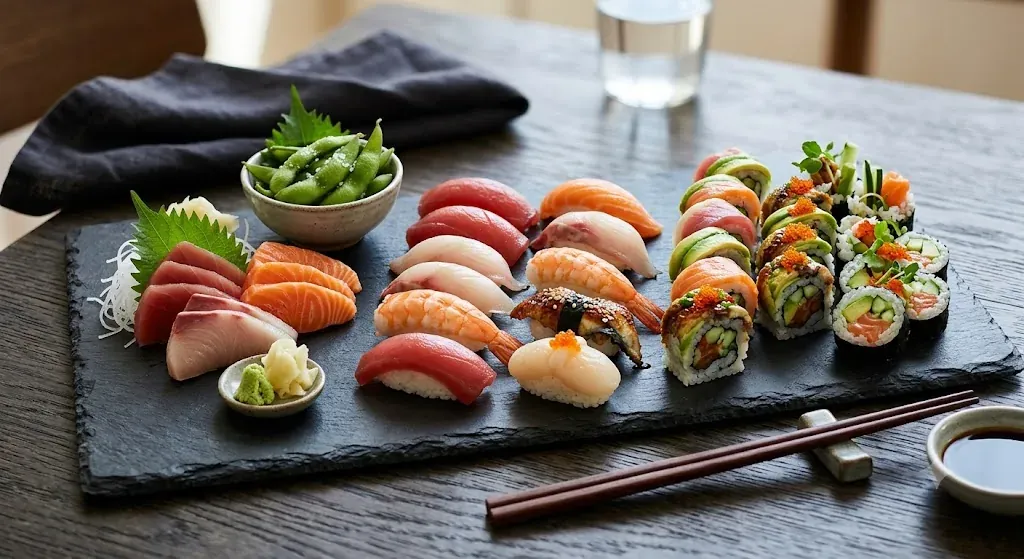
The lunch you order when a client is in the room
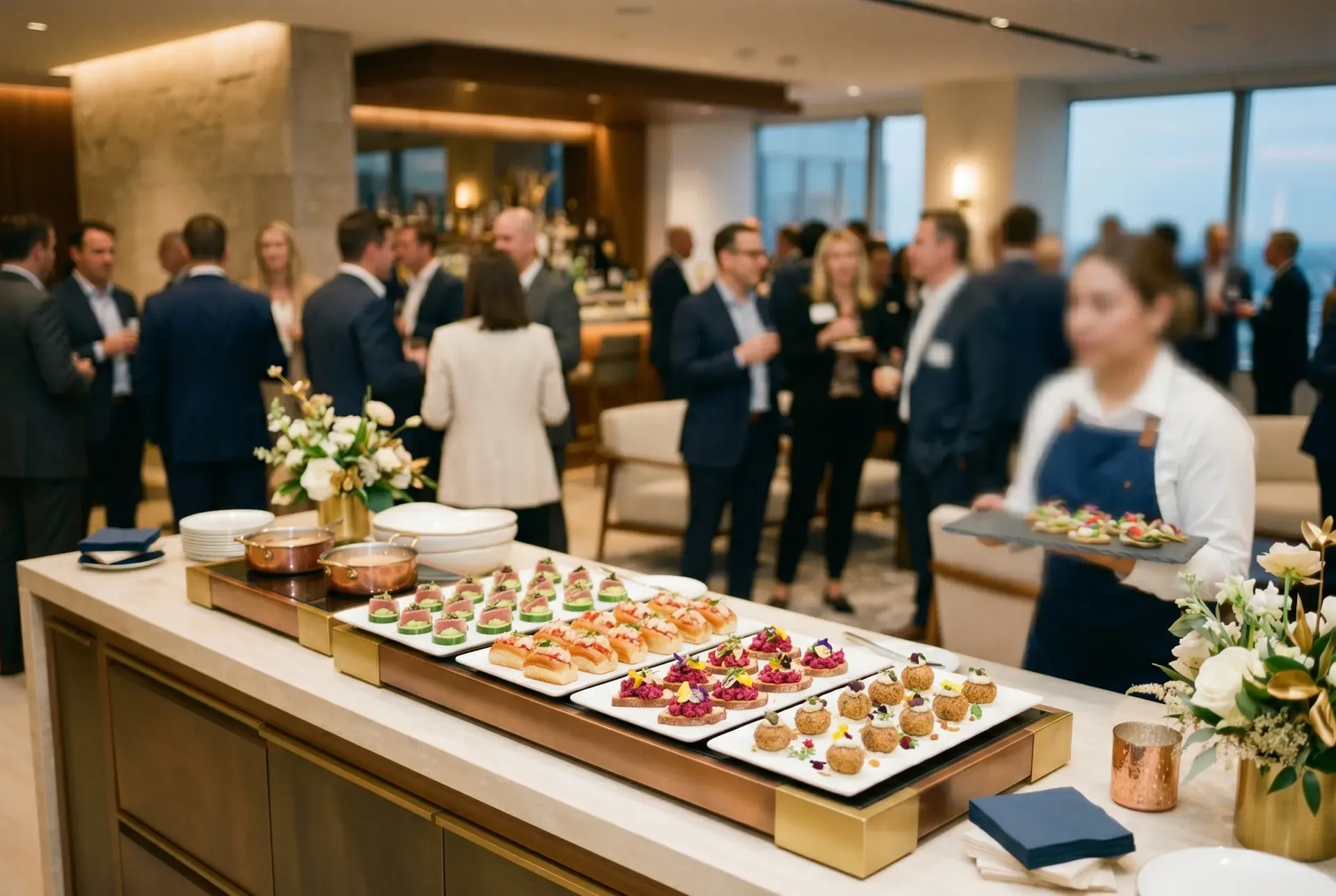
Some office lunches are for the office and some are for whoever is visiting. Sushi is the second kind. A properly laid display says the meeting mattered enough to think about, which is the entire job of client-facing catering and is not something a tray of sandwiches does.
It is also light, which is the practical argument. A negotiation or a board session after a heavy lunch is a worse meeting; nigiri and rolls leave the room sharp.
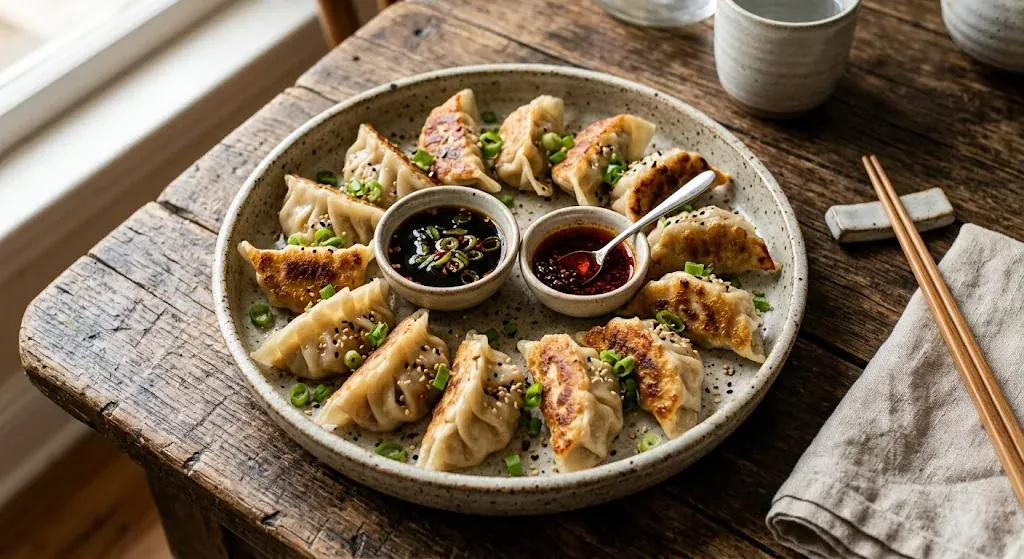
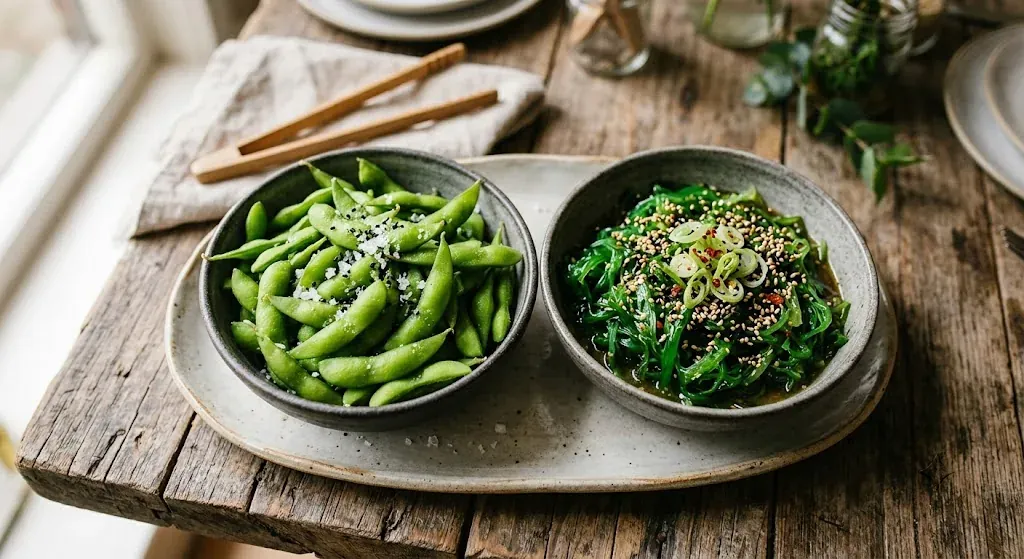
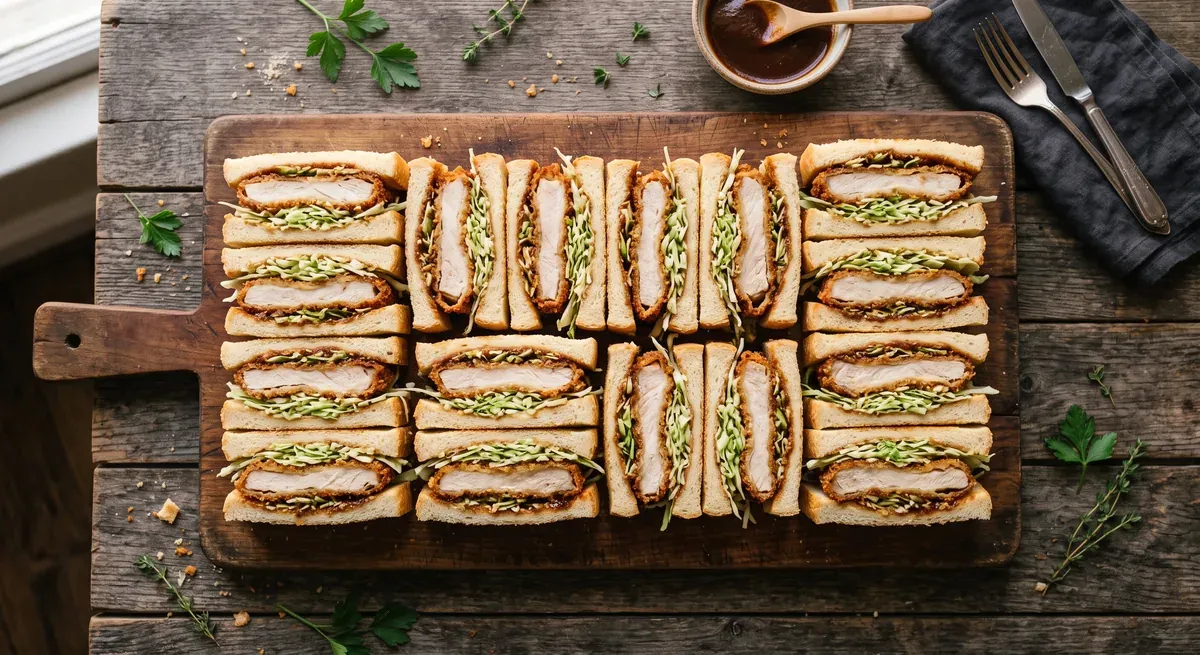
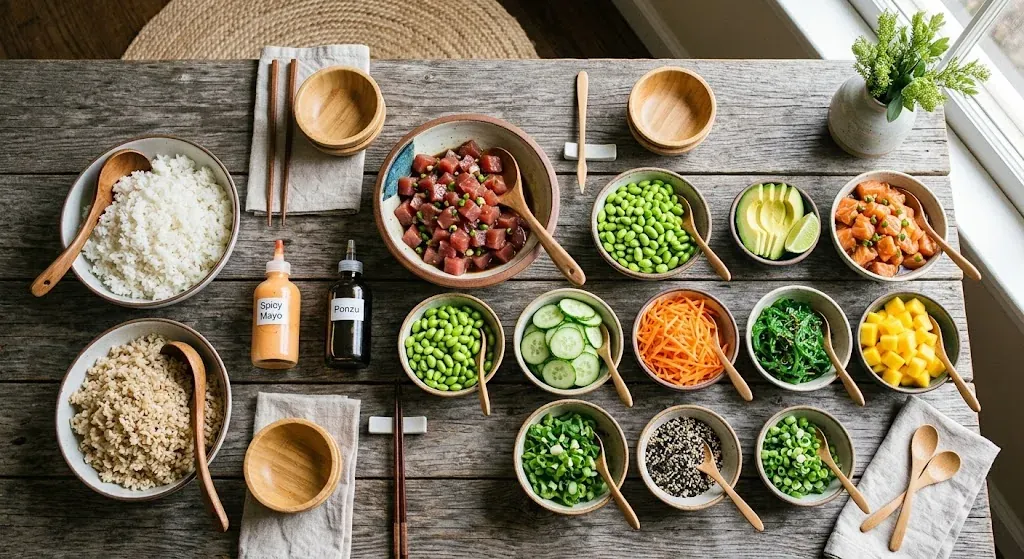
The cooked side carries anyone who does not eat raw fish — chicken katsu sando, chicken and salmon teriyaki, gyoza, vegetable tempura — so nobody at the table is quietly eating edamame.
- Assorted nigiri and signature rolls, laid as a display
- Chicken katsu sando, chicken and salmon teriyaki
- Gyoza dumplings, edamame and seaweed salad, vegetable tempura
- Matcha cheesecake and mochi ice cream
There is a service window and an office ignores it
This is the constraint that decides whether office sushi is good or a story people tell afterwards. It is held cold and served inside a defined window; a display delivered at eleven for a one o'clock meeting is not the food anybody ordered.
So we deliver to the meeting rather than to the morning, and where a schedule is genuinely unpredictable we will say the cooked board is the better order that day. That is a real answer, not a hedge — the alternative is sushi that sat.
Individually portioned, when the room is not one room
Where lunch is eaten across desks or floors rather than at a table, the same menu goes into individual boxes rather than a shared display. It costs a little more per head and it removes the shared-platter problem entirely — counting, labelling, allergens and the colleague who arrives last.
For a client lunch we would still argue for the display. For a distributed team, boxes win.