Finger food is what a birthday actually eats
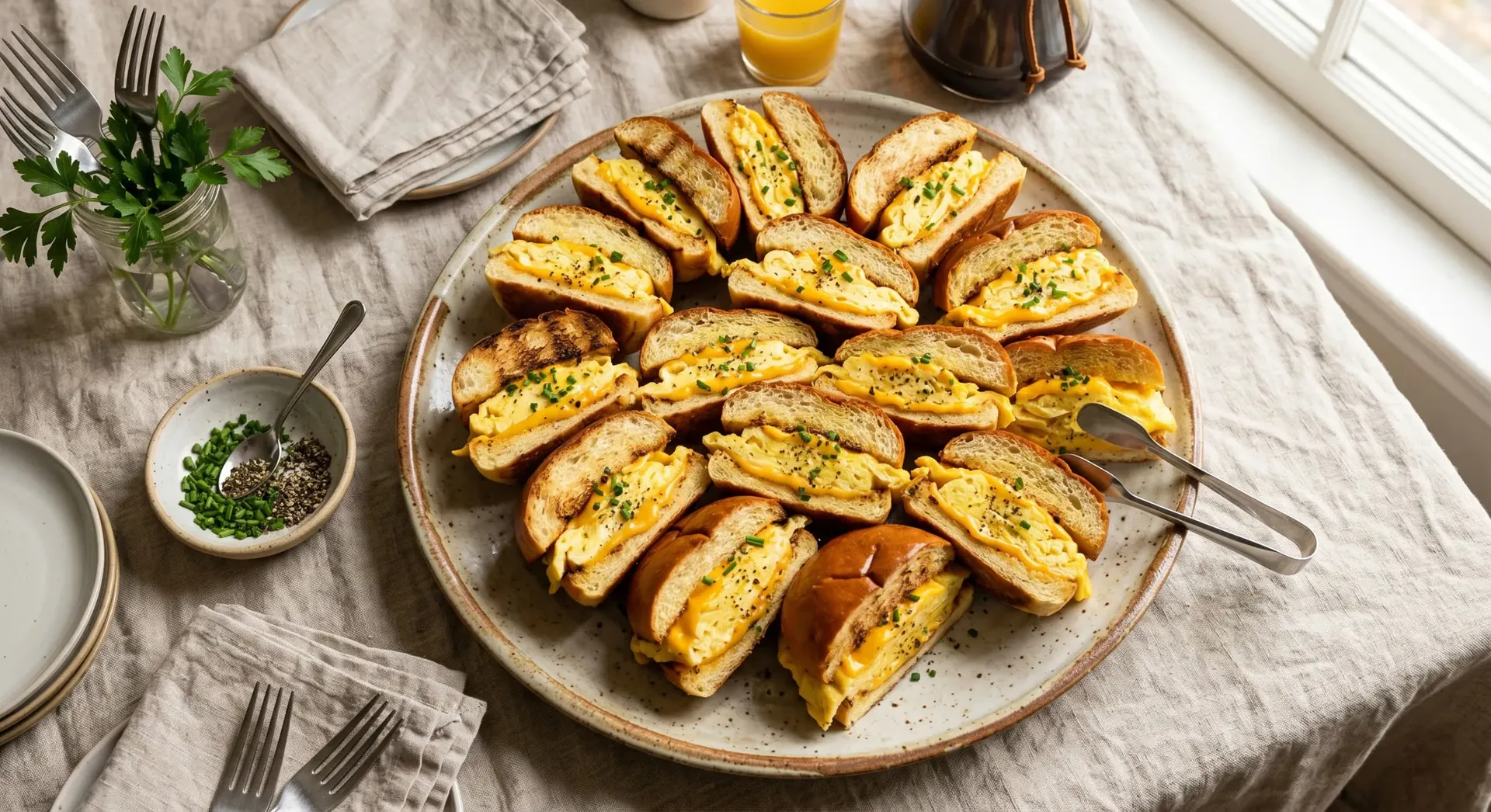
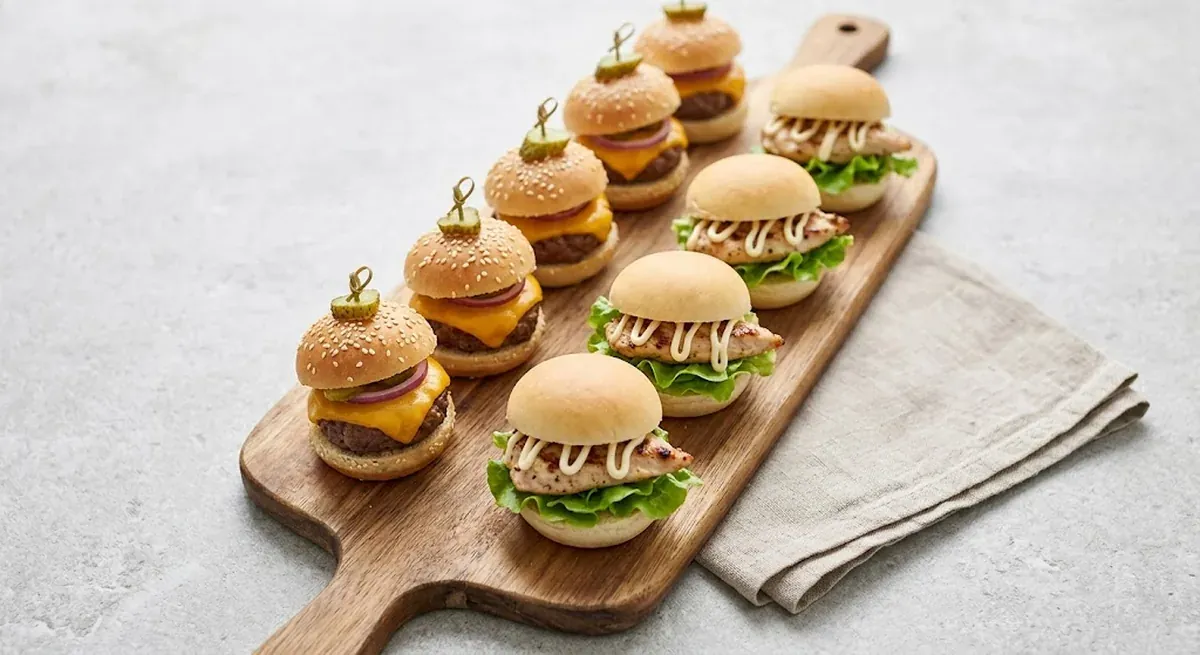
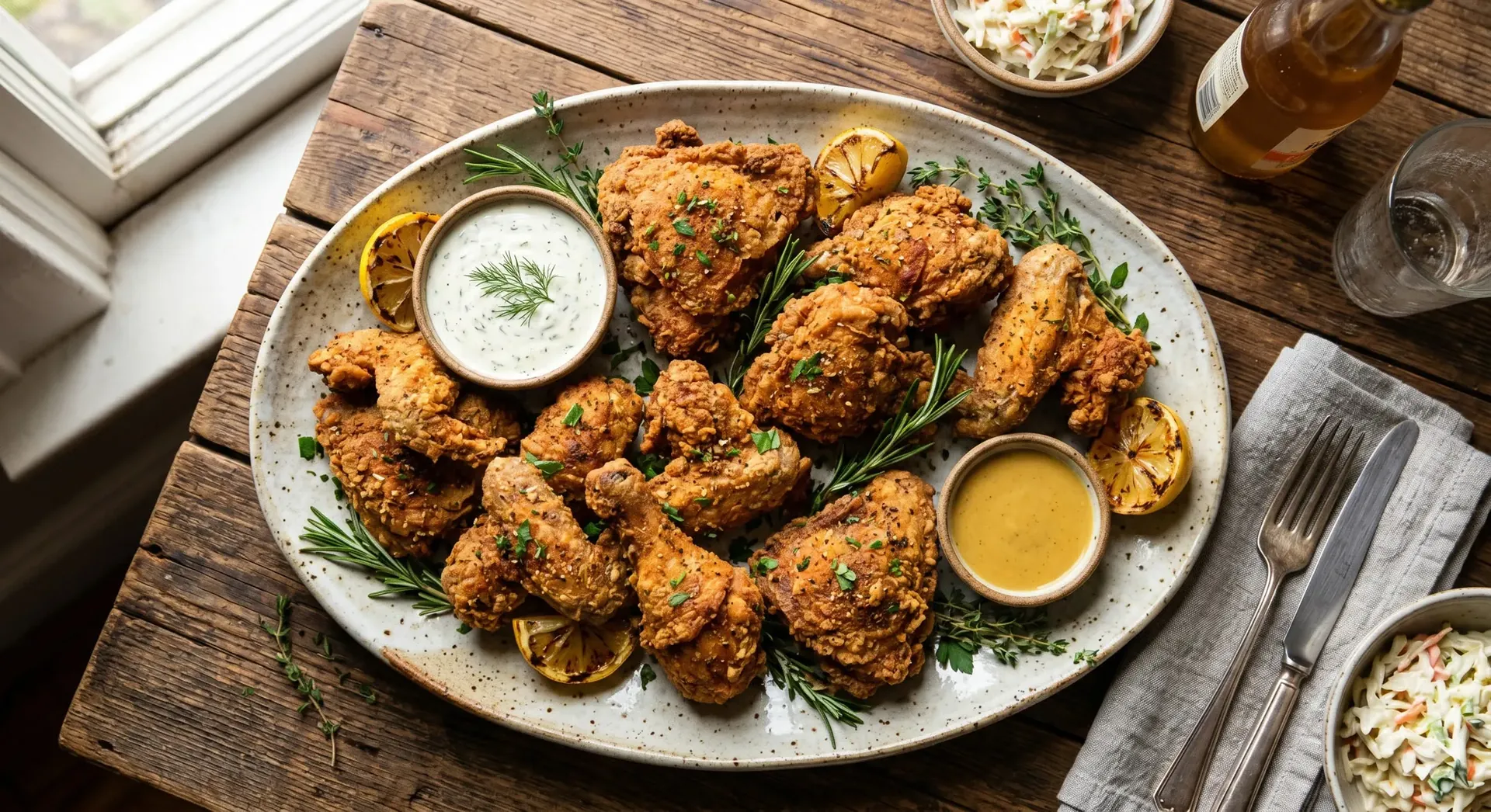
People at a party stand up, hold a drink, talk, and eat with one hand. The American board is built for exactly that: sliders, wings, tenders, mozzarella sticks and onion rings need no cutlery and no table, and they keep working while the room moves around.
It is also the least intimidating menu we do, which matters more at a birthday than anywhere else. Nobody has to be talked into a chicken slider. For a party where the guest list spans grandparents and eight-year-olds, that is not a small advantage.
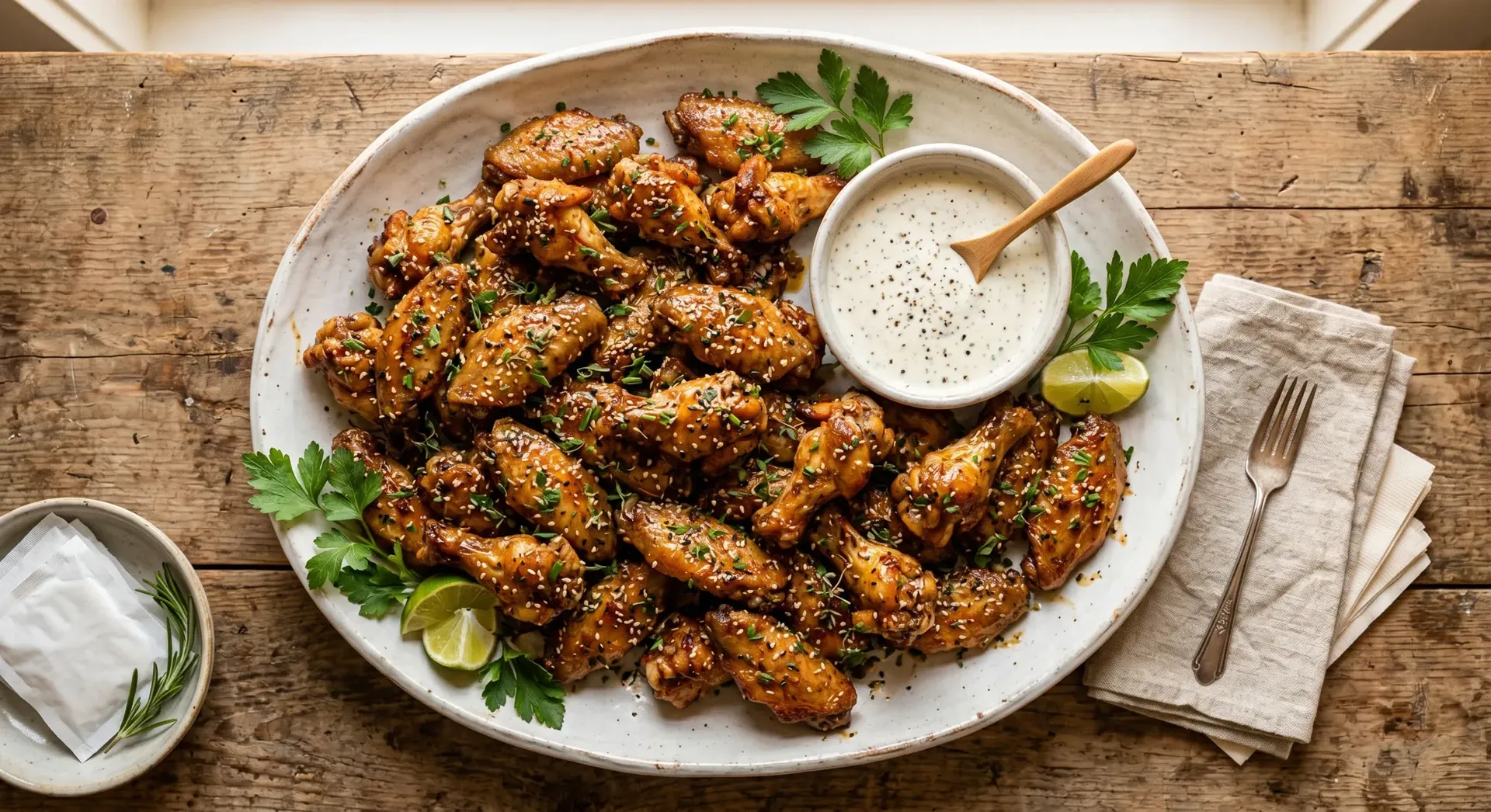
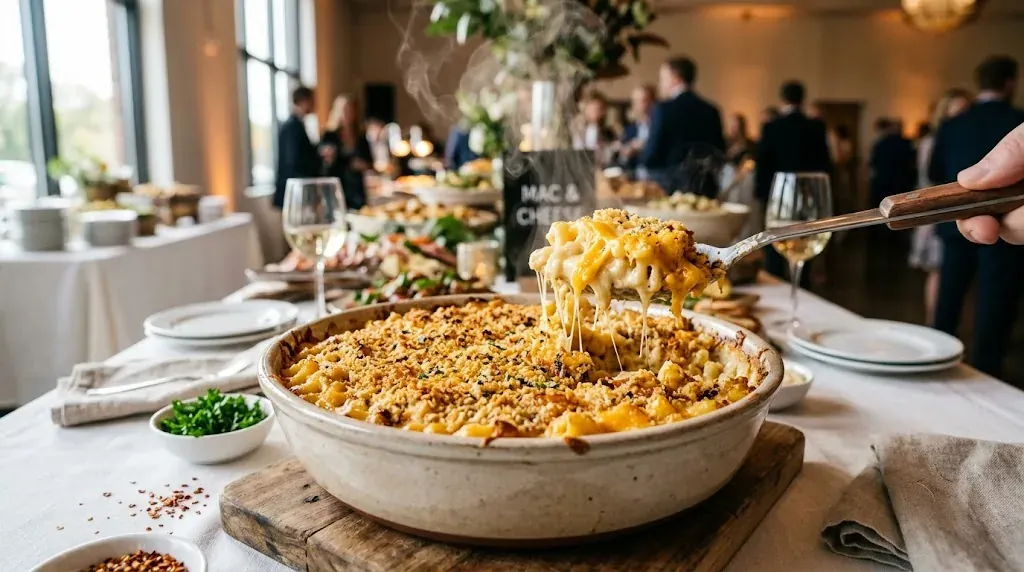
Beef and chicken sliders, fried chicken, wings and tenders are all zabiha-sourced, and there is no bacon in the sides — the mac and cheese, mashed potatoes and green beans stand on their own.
- Beef, chicken and mixed sliders — the format the whole room eats one-handed
- Chicken wings, chicken tenders, mozzarella sticks and onion rings
- Mac and cheese, garlic mashed potatoes, green beans with almonds
- Brownie and cheesecake bites — portioned, so they sit beside the cake rather than competing
Grazing beats a sitting
We generally send this one as a grazing spread rather than a meal with a beginning and an end. Trays go out, get replenished, and the party decides when it is eating — which is how birthdays behave whatever the plan said.
The practical consequence is that the quantities work differently: consumption is flatter and longer, so the fried items want replenishing in waves rather than all at once. Wings and tenders go cold and sad if they all land at the start.
The dessert is already decided
There is a cake. That is the whole dessert conversation at most birthdays, and ordering a full dessert course beside it is money spent on food that gets looked at.
Brownie and cheesecake bites are the exception worth keeping: they are portioned, they sit out for hours, and they cover the guests who do not eat cake without setting up a second dessert moment. Pecan and pumpkin pie are on the board but they belong to a holiday table, not a birthday one.