June books out before you have the date
Graduation is the one event on our calendar that arrives for everybody at once. Every high school and university in Los Angeles empties out across the same three weekends, and barbecue is the format that sells out first because it is what people picture for a warm afternoon in a garden.
The practical consequence is unromantic: pits and crews are finite, and the family that calls in April gets the attended station while the family that calls in late May gets trays. Neither is worse food. One is a choice and the other is what was left.
If you know the ceremony date before you know anything else about the party, that is enough to hold a crew. Menu, headcount and format can all move afterwards.
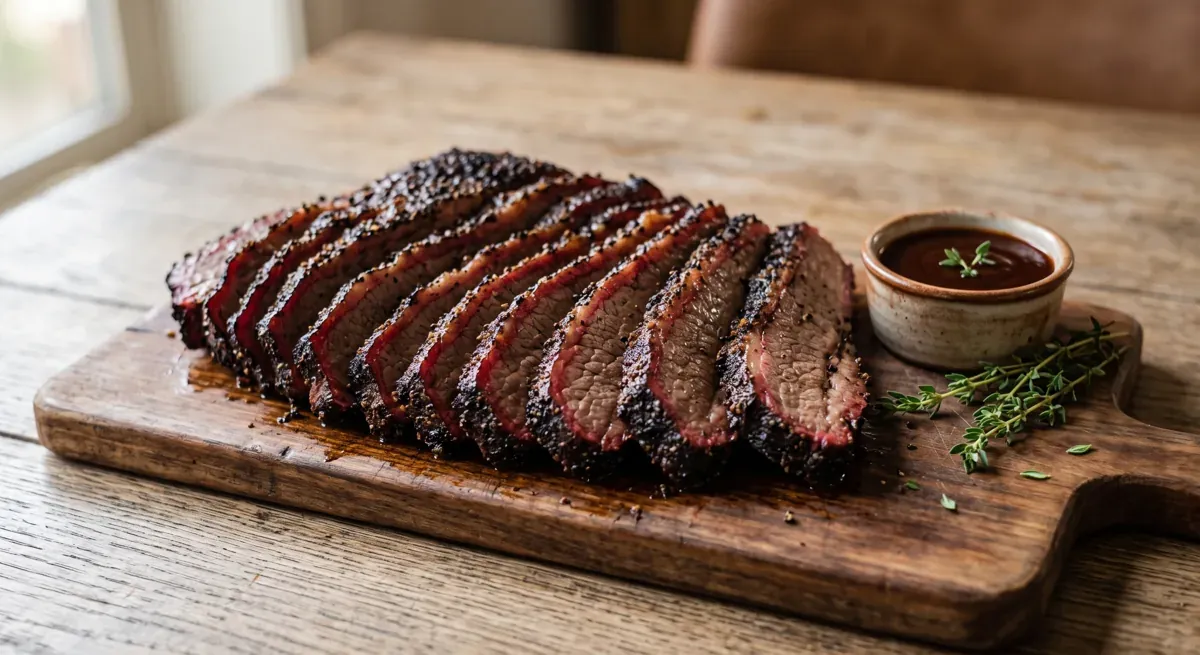
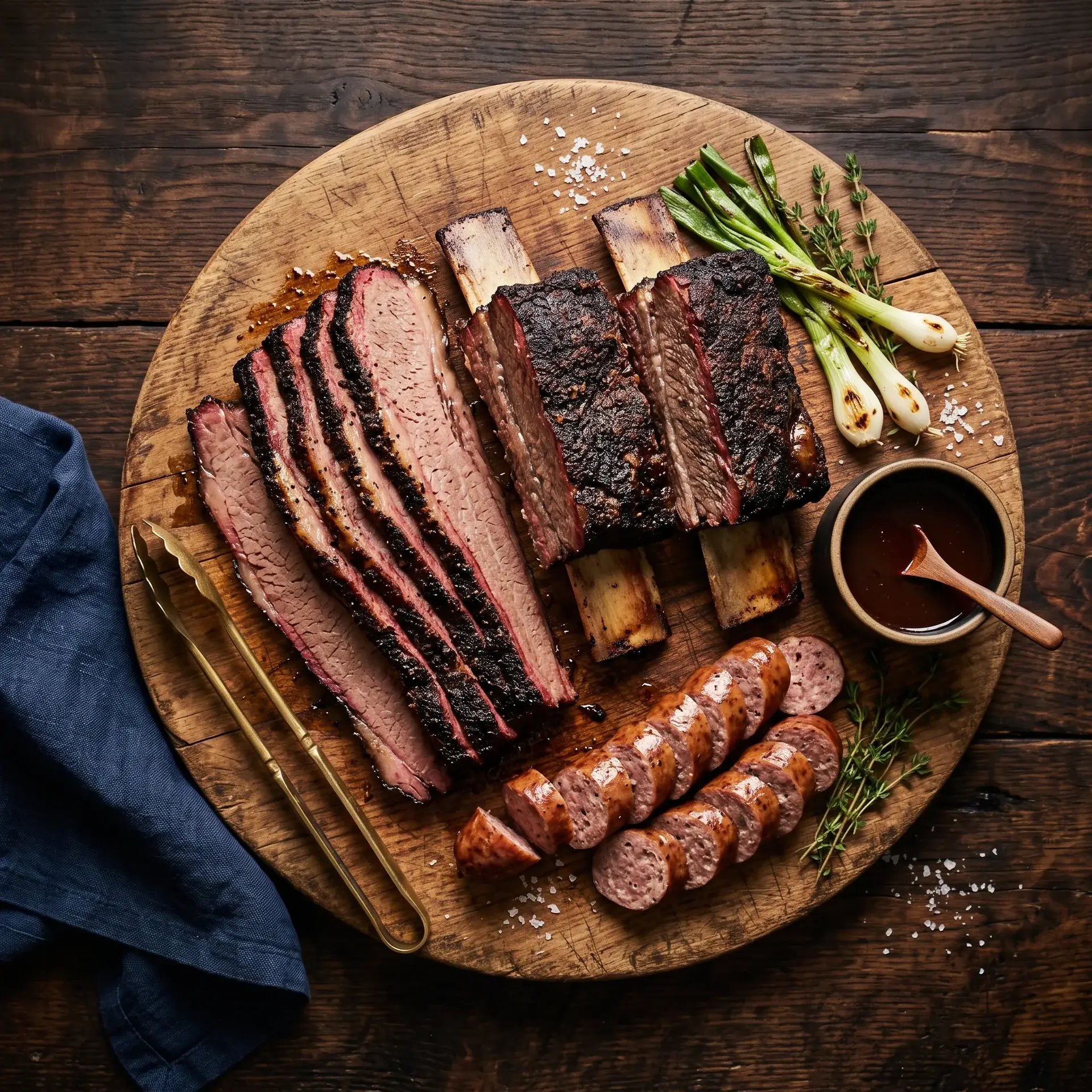
- Smoked beef brisket and beef short ribs, sliced to order or trayed
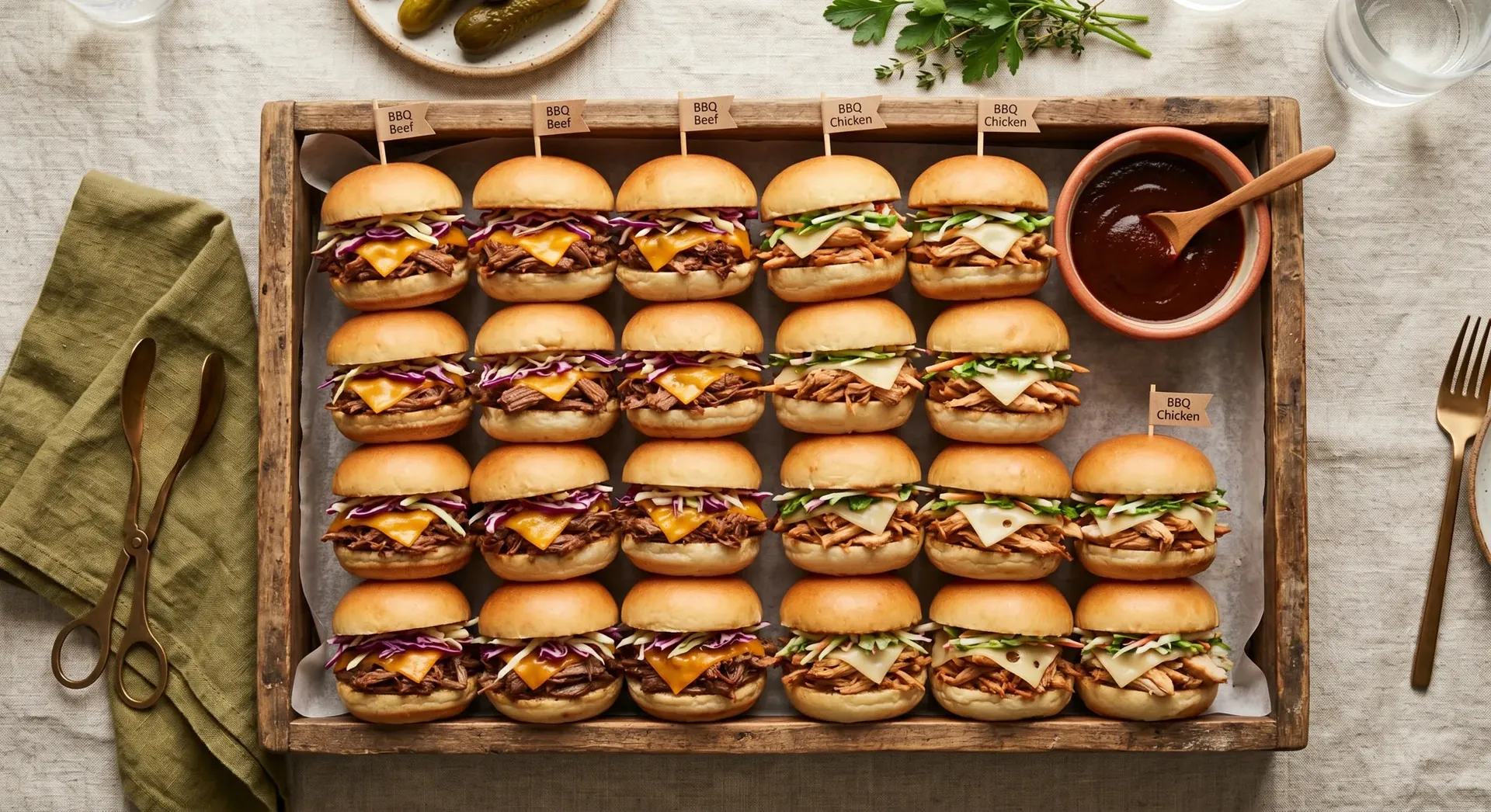
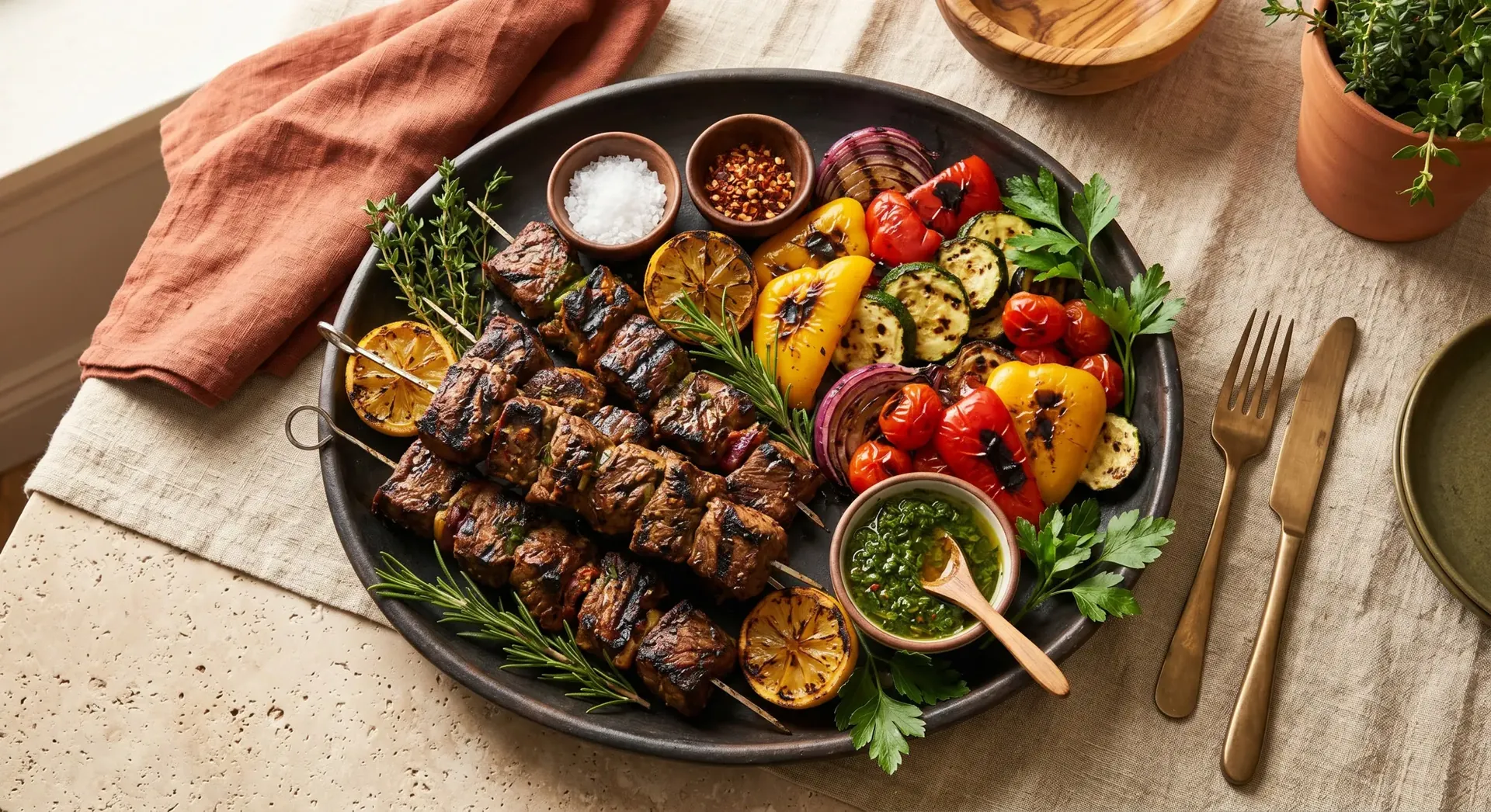
- BBQ chicken, charcoal beef and halal beef sausage for volume
- Brisket burnt ends — the tray that empties first
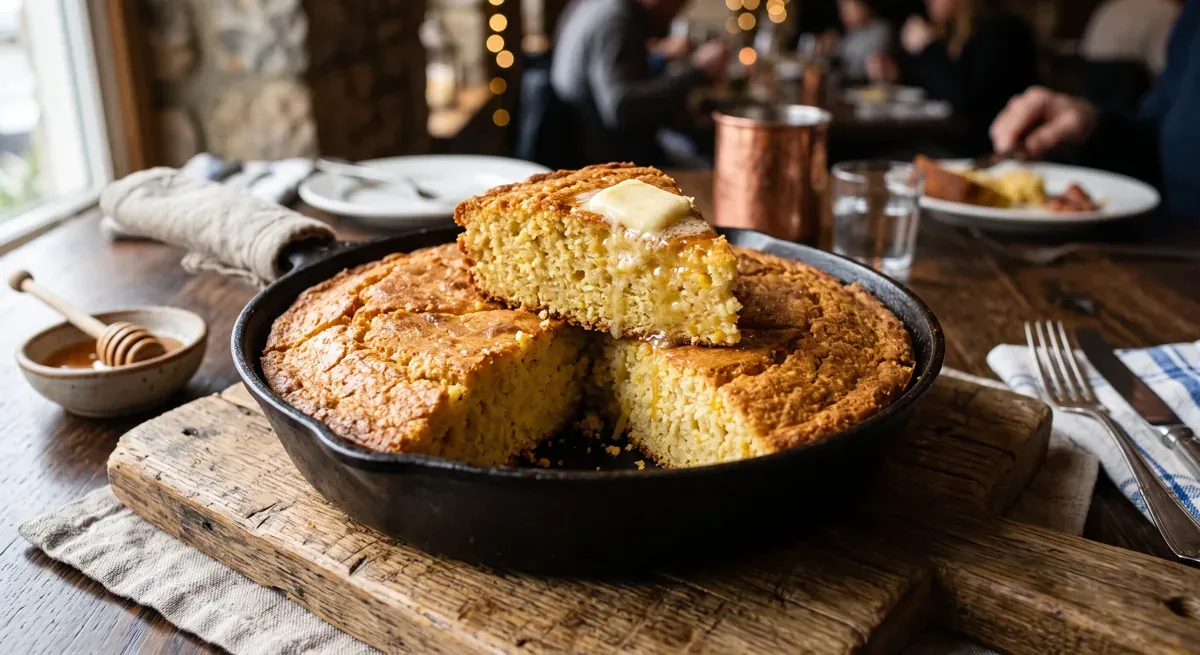
- Cornbread, smoky baked beans, coleslaw and fries
Guests arrive across two hours, not at a time
Nobody arrives at a graduation party when the invitation says. The ceremony overruns, parking is a fight, and families drive over in a slow trickle from wherever the auditorium was. A meal served at a moment feeds whoever happened to be standing there.
Barbecue is unusually good at this. Brisket and short rib are held hot and sliced as people come, so the guest arriving ninety minutes late eats the same thing as the guest who arrived first — which is not true of a plated course, and barely true of anything fried.
We hold and replenish rather than laying everything out at once, and we plan the finish time from when the ceremony actually ends rather than from the printed start.
Teenagers eat like adults and the sides run out
A graduation guest list is half relatives and half the graduate's friends, and the second half eats considerably more than a headcount suggests. Under-ordering at a graduation almost never happens on the brisket — it happens on the cornbread, the beans and the fries, because those were counted against the number of chairs.
We size the sides against the real room rather than the seated count. It costs very little and it is the difference between a table that looks generous at four o'clock and one that has been picked clean.